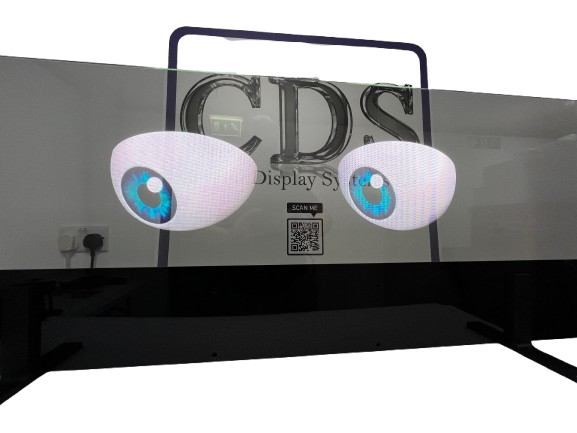
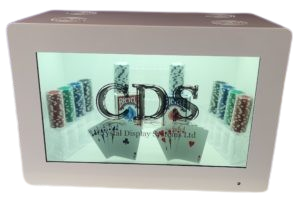
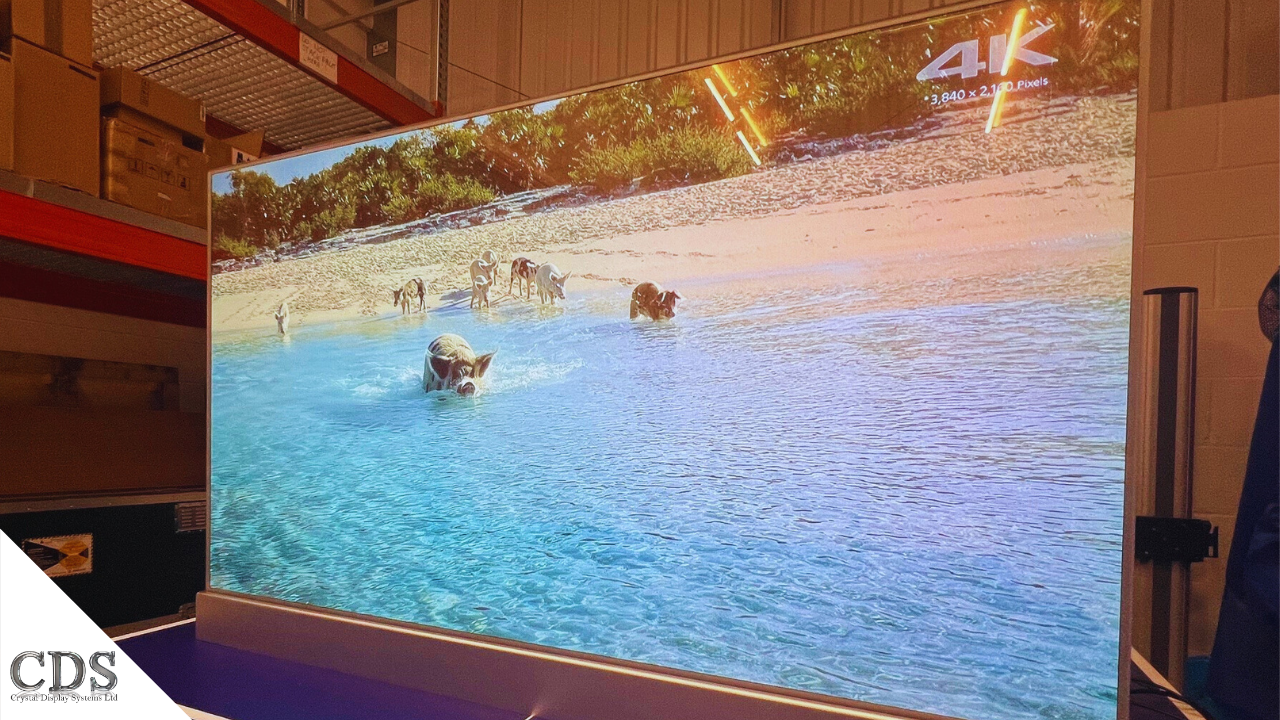
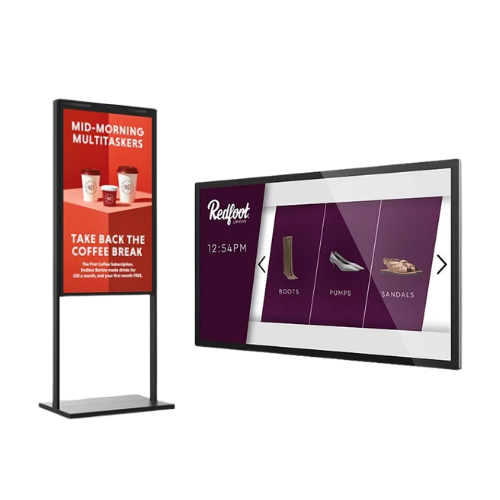
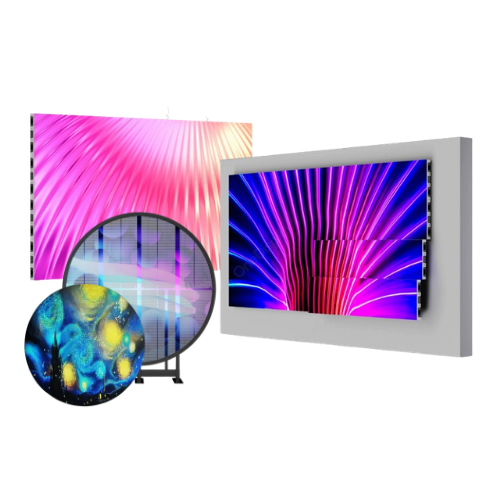
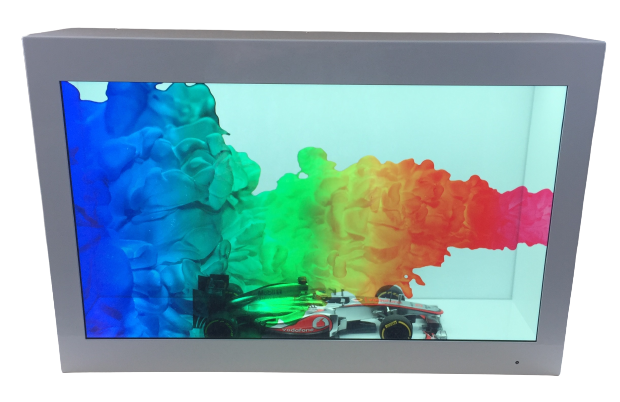
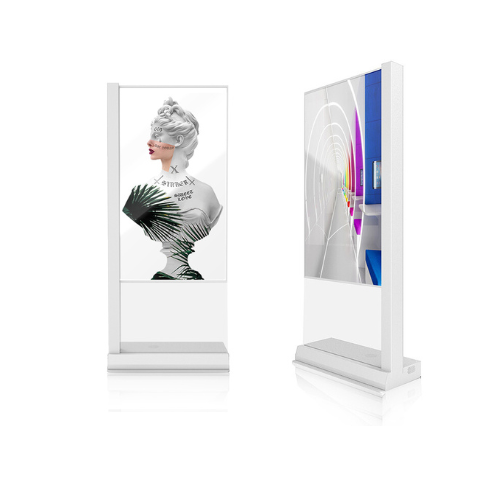
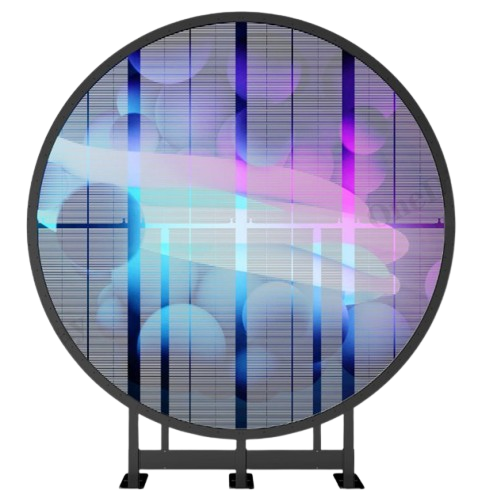
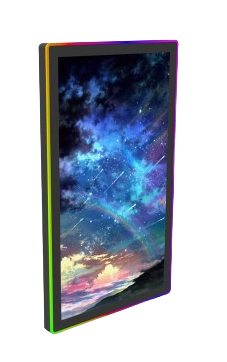
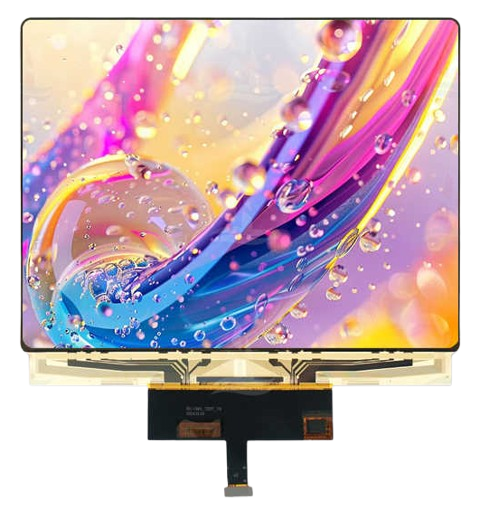
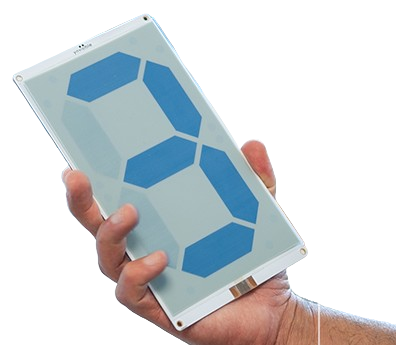
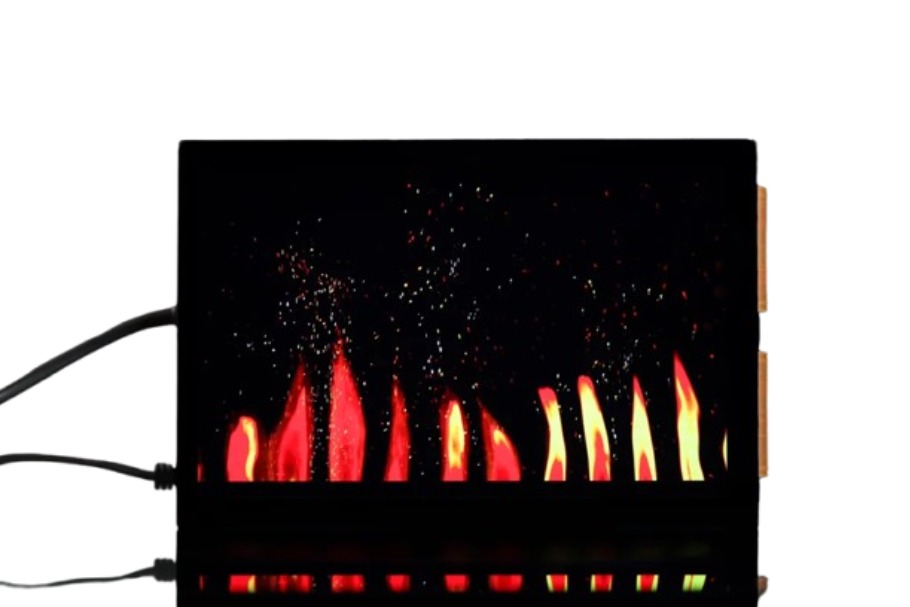
Whatever the industry, we have the transparent display for you
CDS launch the Transparent Displays Buyer’s Guide to help customers choose their next display. Transparent displays are transforming industries — from immersive retail to futuristic architecture — by layering digital content over the physical world. But not all transparent display technologies are equal. The main options are:
- Transparent LCD (TLCD)
- Transparent OLED (TOLED)
- Transparent LED (T-LED)
- Transparent Micro-LED (T-MicroLED)
Each has unique strengths, limitations, and ideal use cases. This guide compares them so you can choose the best fit for your business.
1. Transparent LCD (TLCD)
How it works:
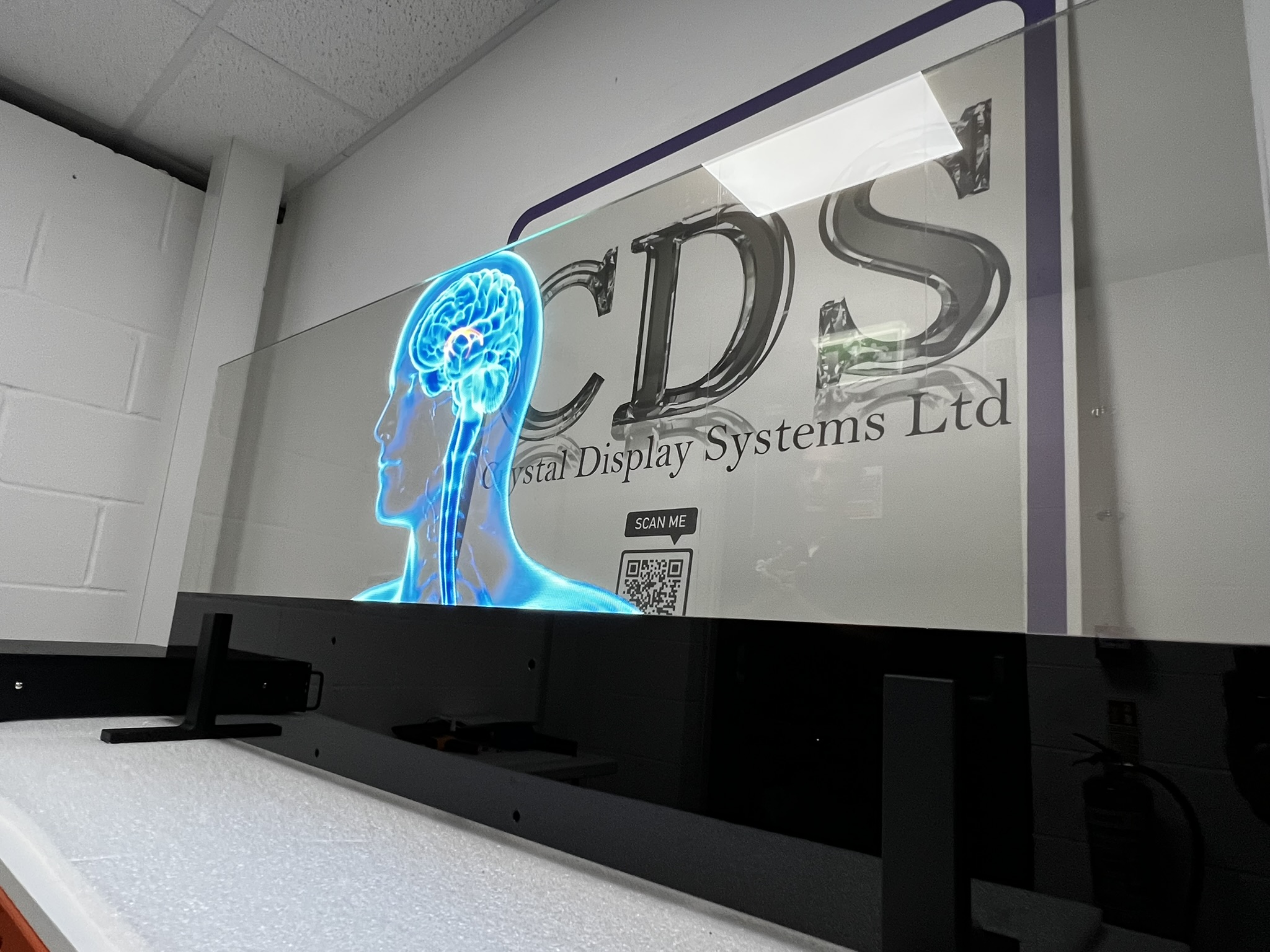
Standard LCD panels modified without a backlight, relying on ambient or external illumination. The liquid crystal layer blocks/filters light to display content, while the rest remains see-through.
Pros:
- Affordable compared to OLED or Micro-LED.
- High resolution and crisp graphics.
- Mature, proven technology.
Cons:
- Limited transparency (10–20%).
- Requires strong external lighting.
- Colours/contrast less vivid than OLED.
Best for:
- Retail showcases and vending machines.
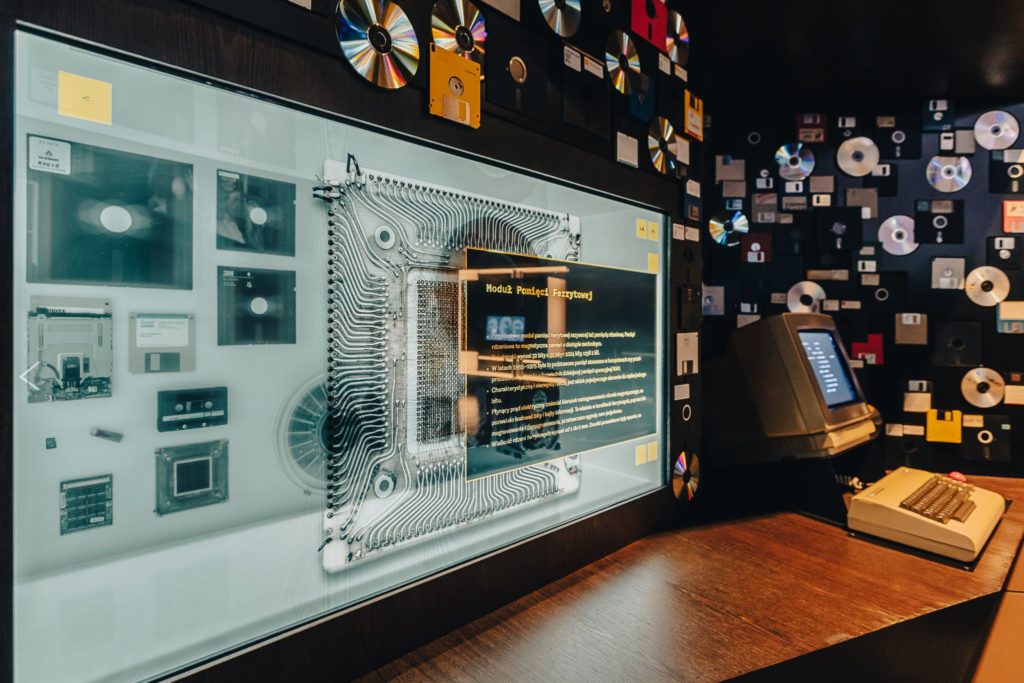
- Museum exhibits with overlaid information.
- Smart appliances and medical cabinets.
2. Transparent OLED (TOLED)
How it works:
Self-emissive pixels on a transparent substrate. No backlight required, which boosts transparency and delivers superior contrast.
Pros:
- ~40–45% transparency.
- Rich, vibrant colours with true blacks.
- Ultra-thin, lightweight, flexible options.
- Futuristic, premium aesthetics.
Cons:
- Higher cost than LCD and LED.
- Shorter lifespan vs inorganic LEDs.
- Moderate brightness (not ideal outdoors).
Best for:
- Luxury retail and automotive showrooms.
- Heads-up displays (HUDs) and dashboards.
- Architectural interiors and high-end exhibitions.
- Augmented reality and stage effects.
3. Transparent LED (T-LED)
How it works:
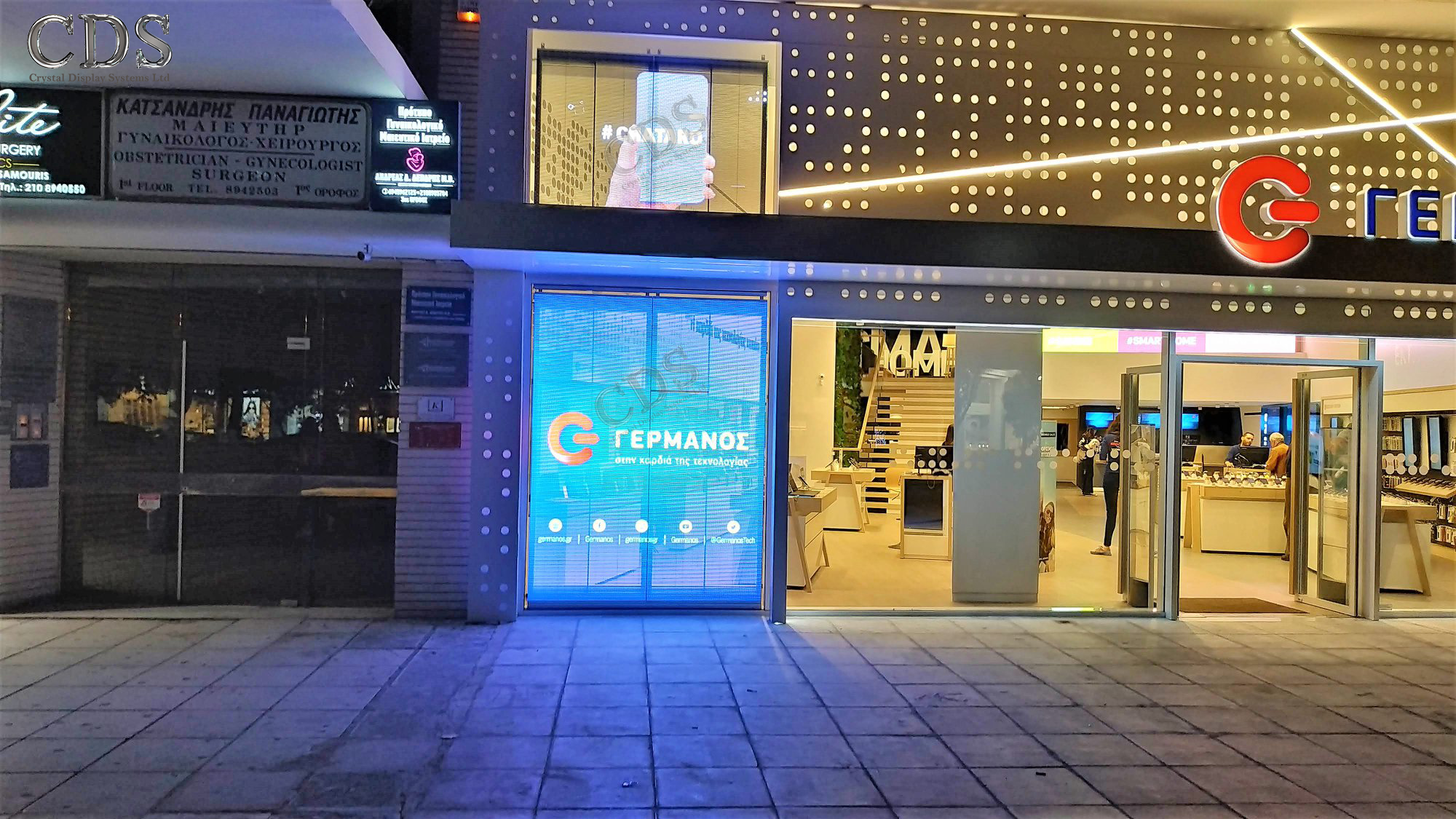
LED modules mounted on transparent glass or mesh. Transparency is achieved through gaps between LED strips.
Pros:
- Extremely bright, sunlight-readable.
- Very high transparency (70–90%).
- Scalable to very large areas.
- Robust, durable for long-term use.
Cons:
- Resolution depends on pixel pitch (coarse up close).
- Transparency decreases with finer pitch.
- Best viewed from medium/long distances.
Best for:
- Shop windows and storefront advertising.
- Airports, stations, and event venues.
- Building façades and architectural glass walls.
- Stadiums and large entertainment stages.
4. Transparent Micro-LED (T-MicroLED)
How it works:
An emerging, advanced form of LED where each micro-sized diode is directly integrated into a transparent substrate, acting as individual self-emissive pixels. Unlike strip-LED, this allows finer pitch and higher resolution.
Pros:
- Combines brightness of LED with clarity of OLED.
- Potential for >50% transparency.
- High resolution (fine pixel pitch).
- Long lifespan, highly energy-efficient.
- Future-proof premium option.
Cons:
- Currently very expensive.
- Limited availability in large commercial volumes.
- Manufacturing complexity still evolving.
Best for:
- Next-generation retail and flagship stores.
- High-end AR, VR, and immersive experiences.
- Automotive HUDs with ultra-bright output.
- Premium architectural and corporate spaces.
Industry | Transparent LCD | Transparent OLED | Transparent LED | Transparent Micro-LED |
Retail | Product showcases | Luxury branding | Shop windows, street ads | Premium showrooms, flagship stores |
Automotive | Infotainment panels | HUDs, dashboards | External signage | Ultra-bright HUDs, future interiors |
Architecture | Interior glass panels | High-end lobbies, offices | Façades, skyscrapers | Premium glass partitions, facades |
Museums | Exhibit cases | Interactive displays | Large artistic walls | High-end immersive exhibits |
Healthcare | Smart cabinets, kiosks | Patient infotainment, imaging | Large waiting area signage | Surgical displays, next-gen devices |
Entertainment | Interactive kiosks | AR effects, stage design | Concerts, stadiums, festivals | High-end immersive productions |
- Choose Transparent LCD if you need a cost-effective, high-resolution display for enclosed cases, appliances, or information panels.
- Choose Transparent OLED if you want a premium, immersive visual experience with rich colour for luxury retail, automotive, or AR.
- Choose Transparent LED if you need a large-scale, ultra-bright solution for façades, events, or shop windows.
- Choose Transparent Micro-LED if you’re investing in the most advanced, future-proof technology that combines brightness, resolution, and longevity — ideal for flagship projects.
Transparent displays are no longer futuristic concepts; they’re here today, shaping how we shop, travel, and experience spaces. But the right technology depends on your budget, environment, and goals:
- LCD for affordability and clarity.
- OLED for visual impact and elegance.
- LED for scale and brightness.
- Micro-LED for cutting-edge performance and future-ready innovation.
👉 Partnering with a trusted supplier ensures you choose the technology that not only looks impressive but also delivers long-term value for your application.