


















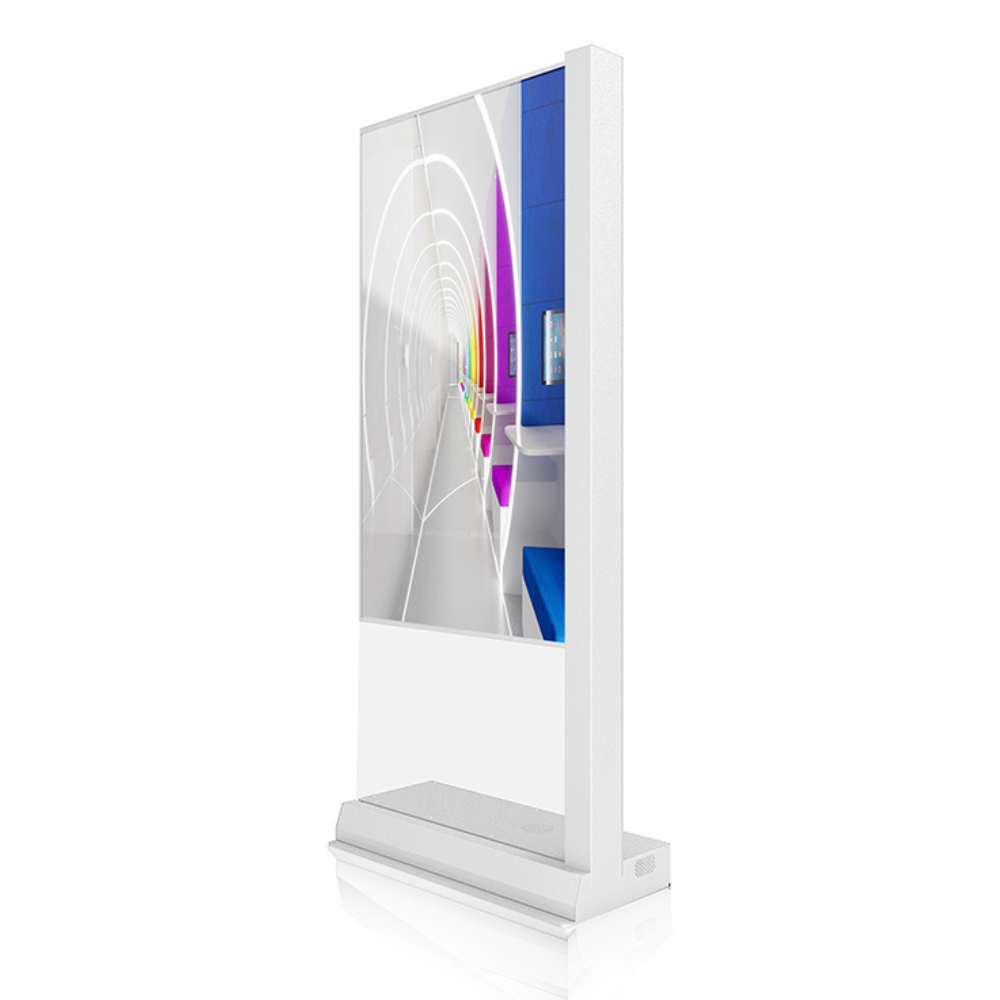
Smart Factories
How connected manufacturing, IoT, AI, and real-time data are redefining Industry 4.0 production and how many see Smart Factories as the future
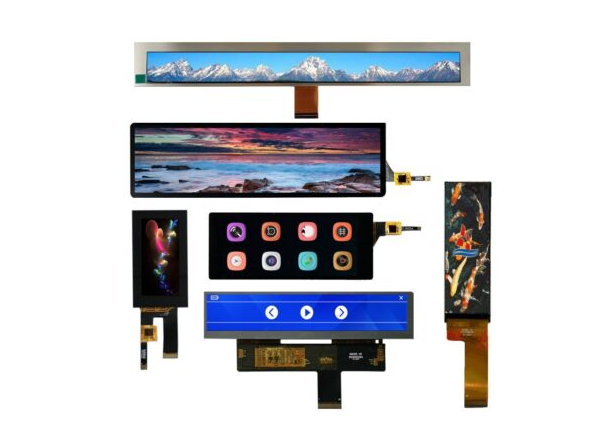
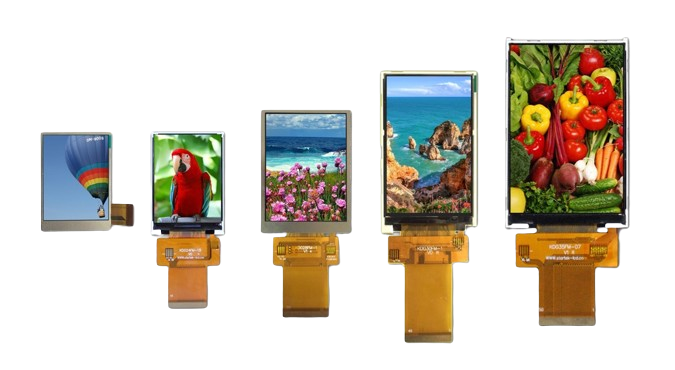
Crystal Display Systems Ltd supplies robust display and touchscreen solutions that support the next generation of smart manufacturing and Industry 4.0 applications. Our industrial TFT displays, touchscreens, and custom display assemblies are designed for use in HMI control panels, automation systems, robotics, machine vision, and production monitoring. Engineered for reliability in demanding environments, our solutions provide clear, dependable visual interfaces that help manufacturers improve efficiency, productivity, and operational control across connected factory environments.
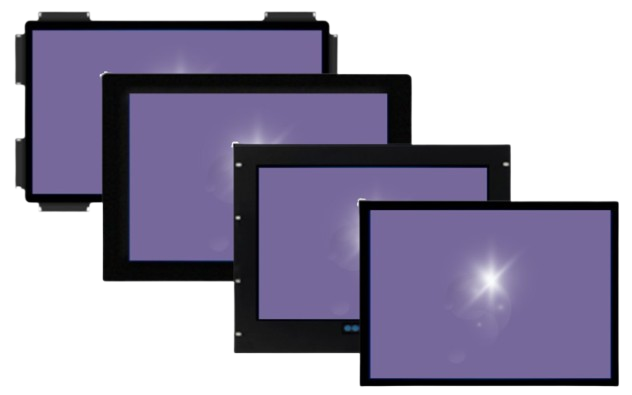
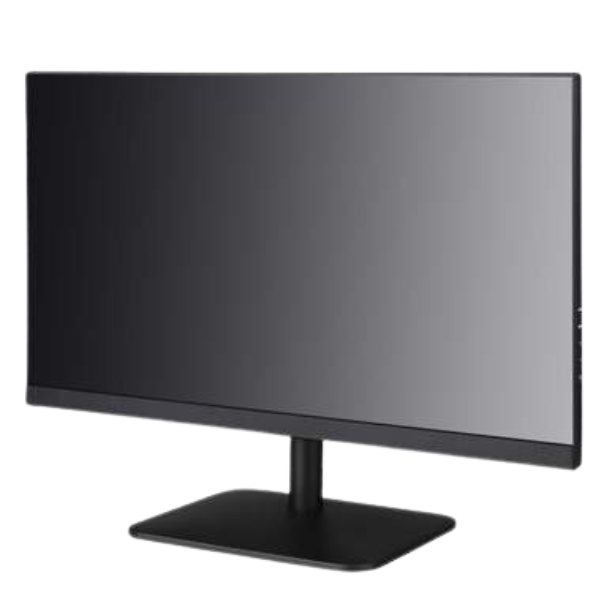
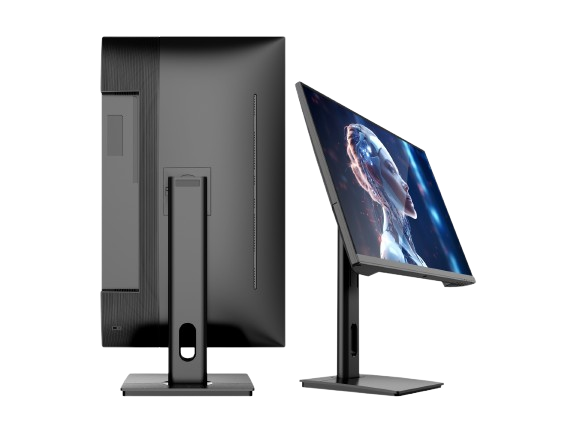
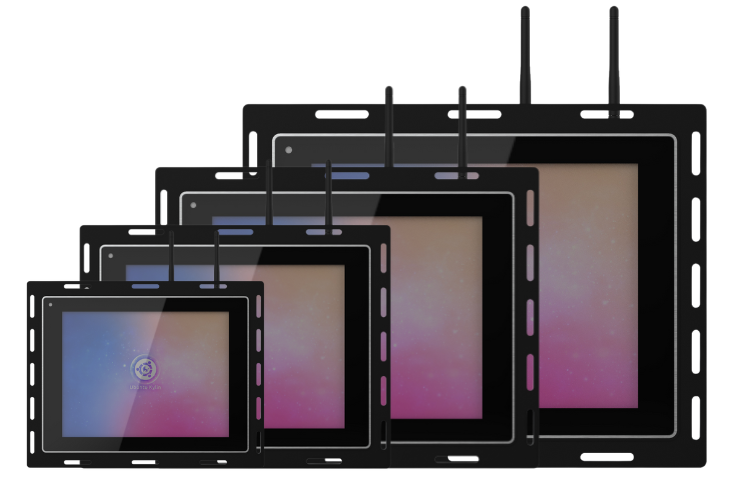
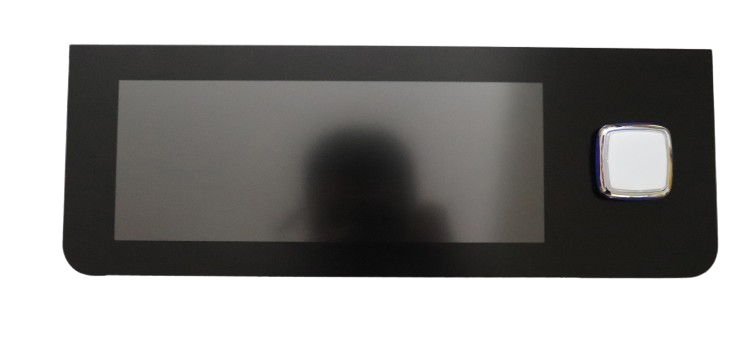
Industrial Monitors
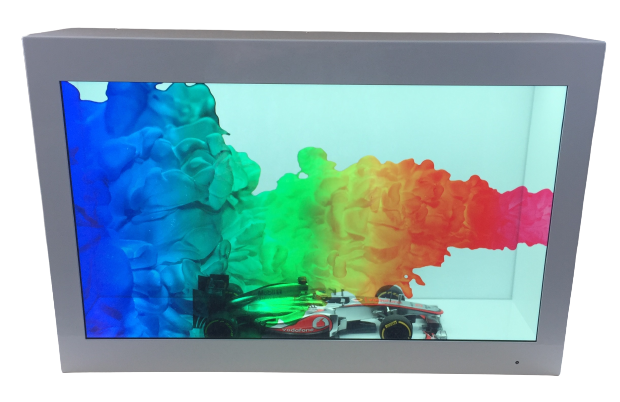
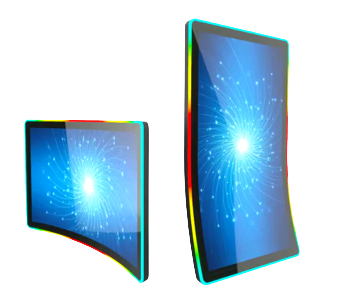
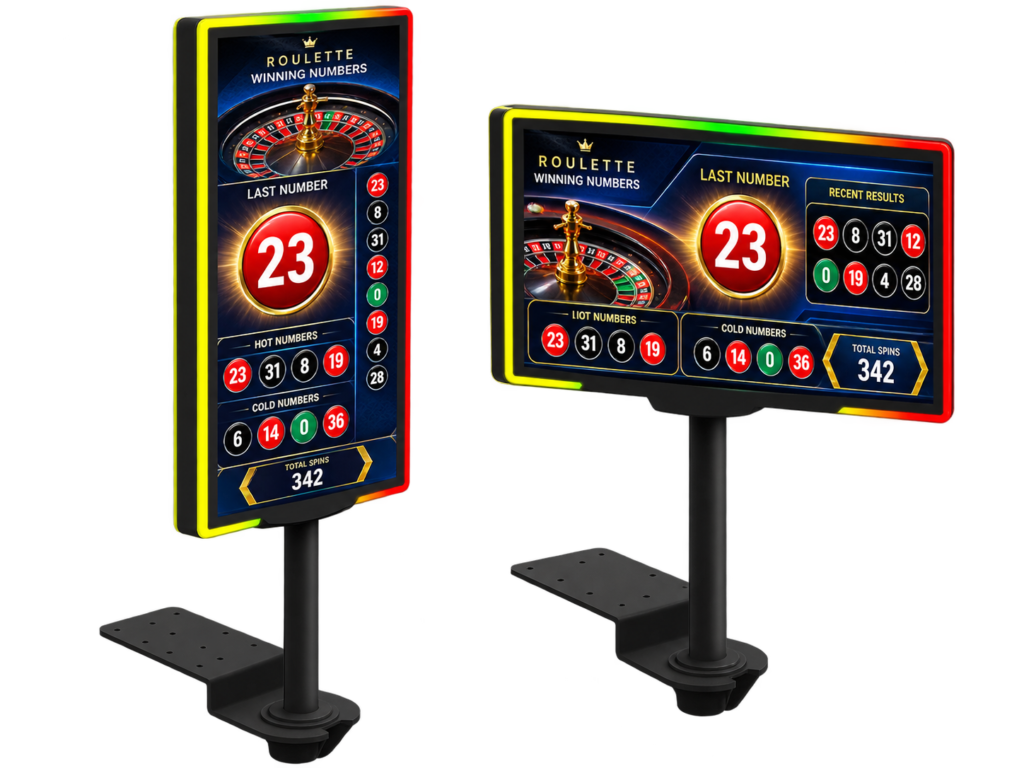
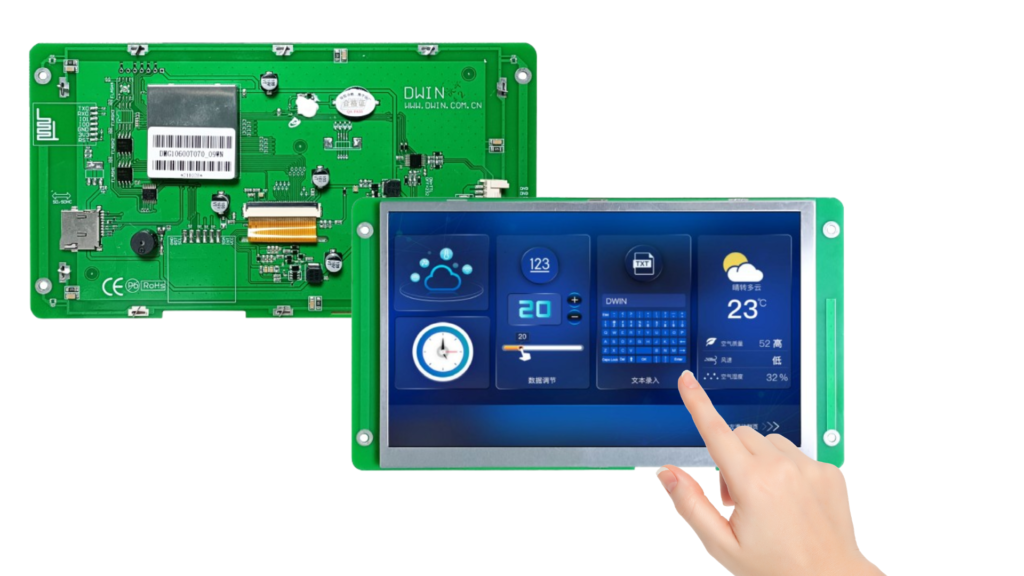
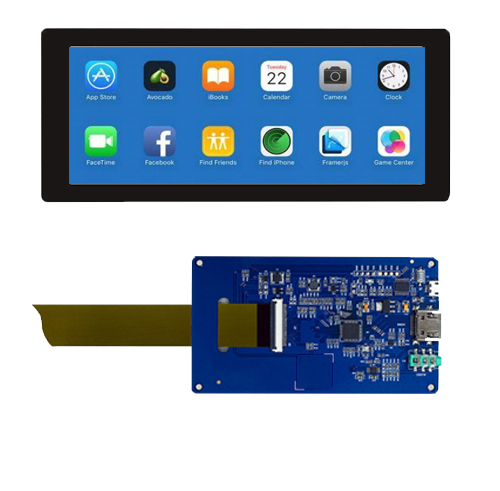
Here at CDS we offer rugged industrial monitors designed for continuous operation in smart factory environments. With high-performance displays, durable construction, and flexible mounting options, our monitors provide reliable visualisation for machine control, production monitoring, process automation, and industrial HMI applications, helping manufacturers maintain efficient and connected operations.
The Next Step in Manufacturing Evolution
Manufacturing is undergoing a technology-enabled transformation, and the smart factory sits at the centre of that shift. Industry has always advanced alongside new tools and processes, from steam power and assembly lines to computer-controlled machinery. Smart factories represent the next stage in that progression: a connected manufacturing environment that uses IoT, artificial intelligence, automation, and real-time data to monitor, optimise, and coordinate production across machines, systems, and people.
Traditional automation focused mainly on replacing repetitive manual tasks. Smart factories go further by embedding intelligence into the production environment itself. Sensors, software, analytics platforms, and connected devices collect operational data continuously, enabling manufacturers to make decisions based on real-time conditions rather than on scheduled inspections or delayed reports. The result is a more responsive, adaptive, and measurable approach to manufacturing.
Core Characteristics of a Smart Factory
Smart factories are built on the integration of physical production assets with digital control systems. Cyber-physical systems allow machinery, software, and data models to operate as a unified environment. In practice, this means algorithms can analyse production conditions, interpret performance signals, and trigger actions automatically. A machine may adjust an assembly parameter, flag an emerging defect pattern, or recommend a maintenance intervention before a breakdown occurs.
The Industrial Internet of Things is equally important. IoT-enabled sensors and connected devices link equipment, inventory systems, energy meters, robotics, and operator interfaces through a shared digital network. These devices stream data on temperature, vibration, pressure, energy consumption, throughput, and stock levels. That visibility gives manufacturers a continuous view of factory performance and creates the foundation for predictive maintenance, quality control, asset tracking, and human-machine collaboration.
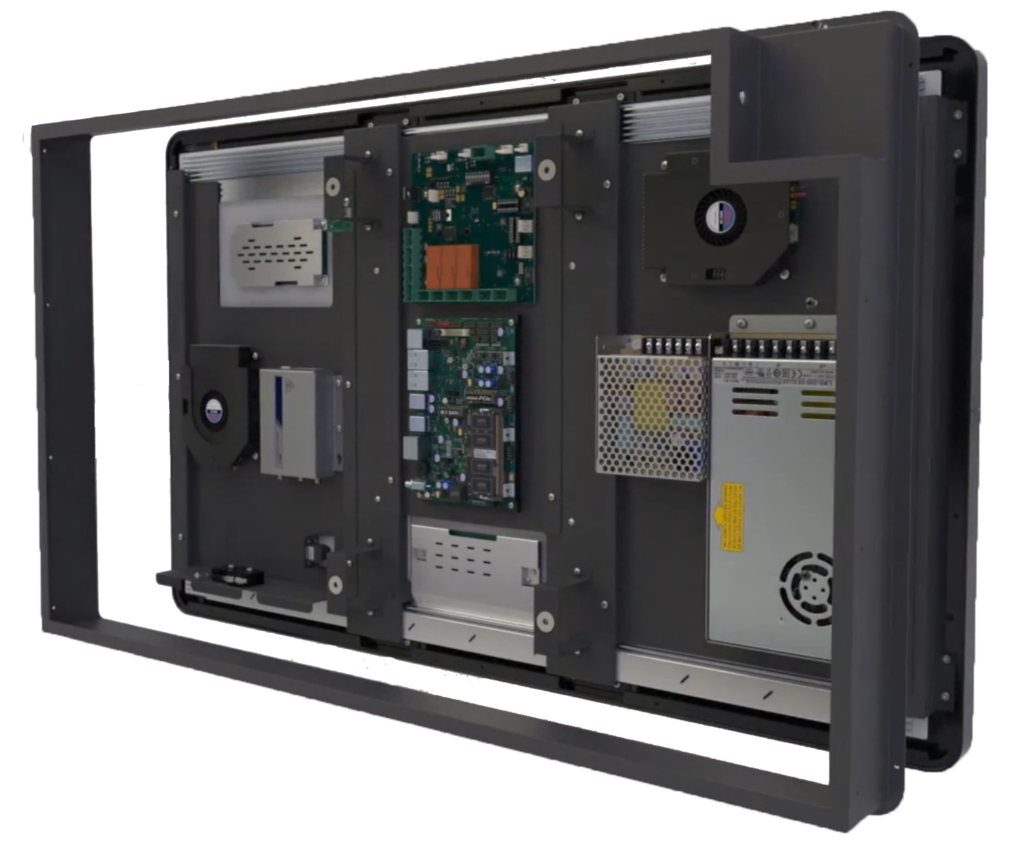
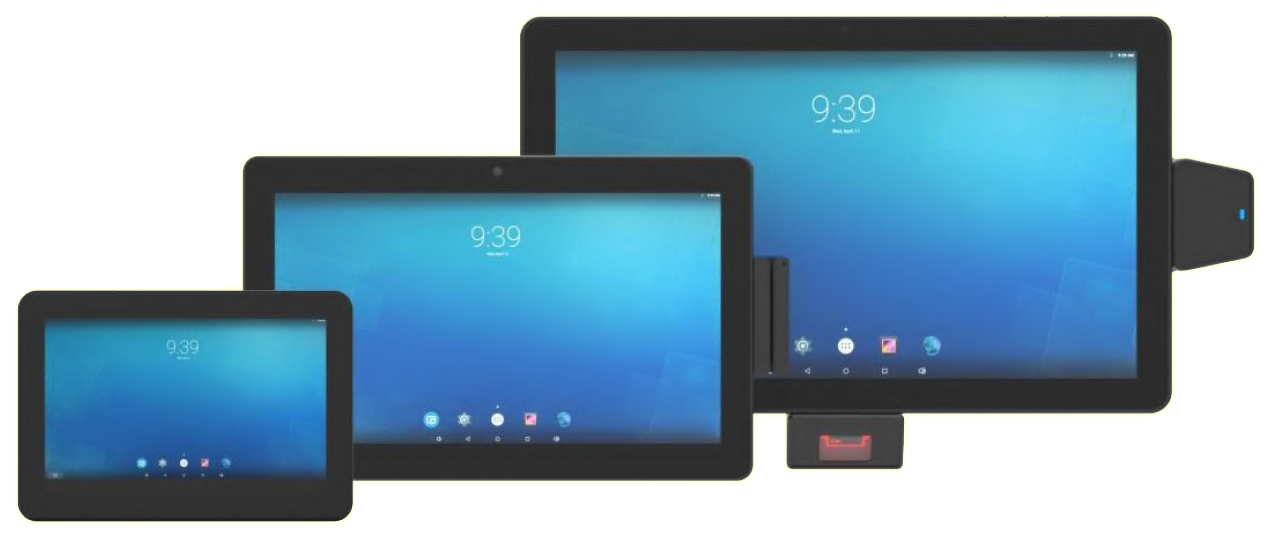
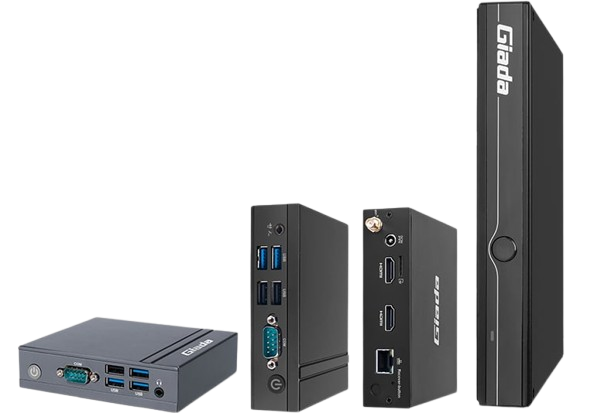
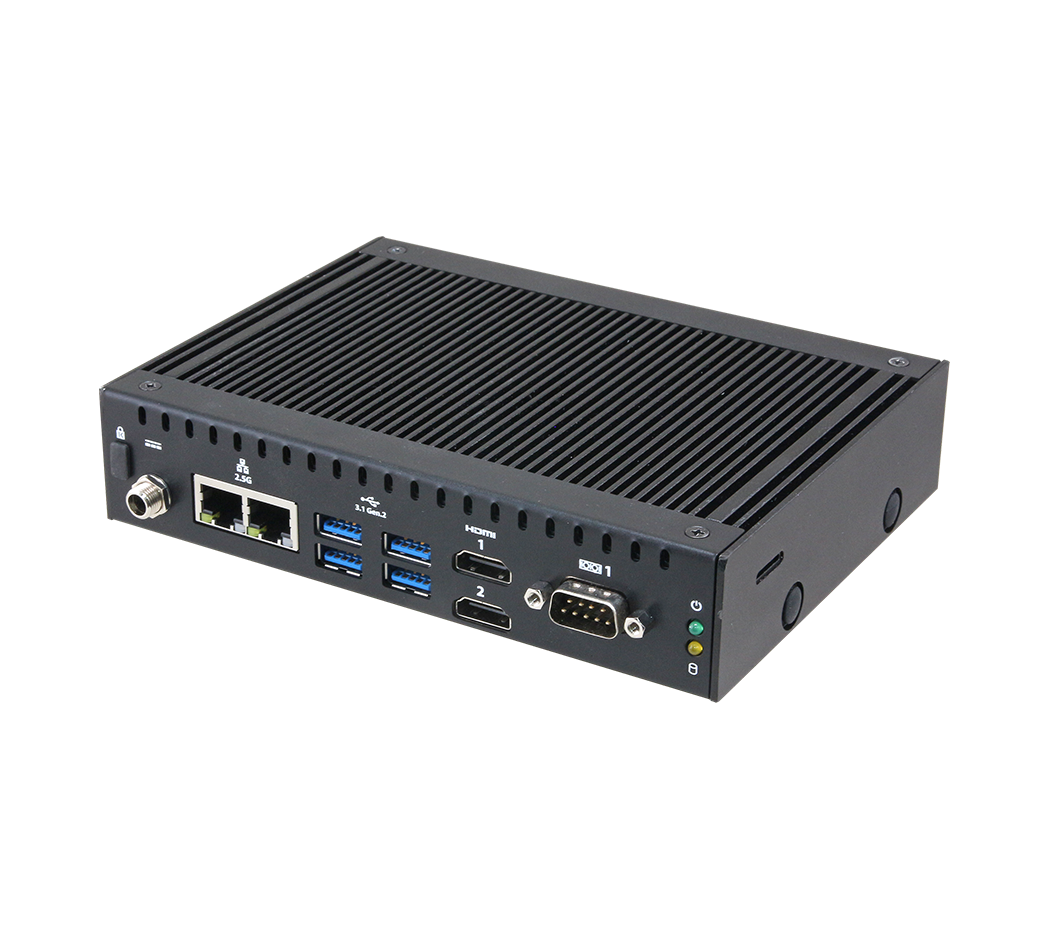
Industrial Panel PC
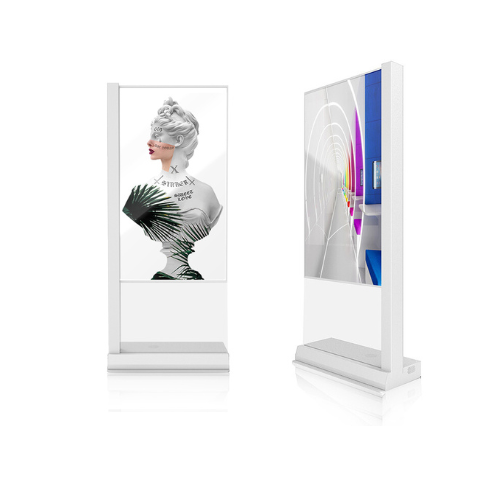
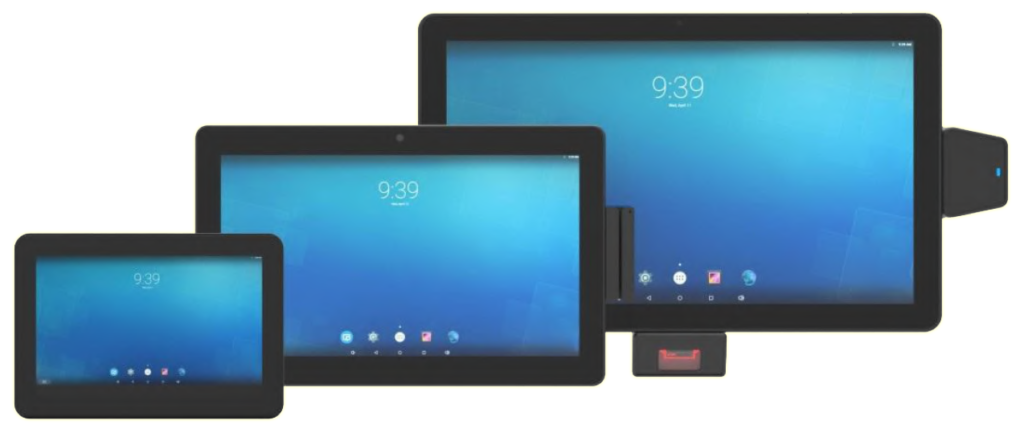
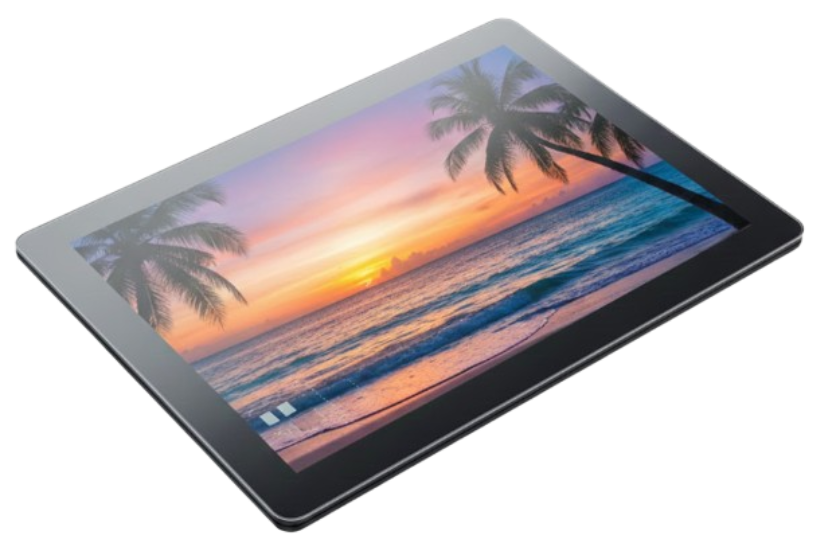
CDS supplies industrial Panel PCs that combine powerful computing with integrated touchscreen displays for smart factory applications. Designed for reliable operation in demanding industrial environments, they provide an all-in-one solution for machine control, process automation, data collection, and production monitoring, supporting efficient and connected manufacturing operations.
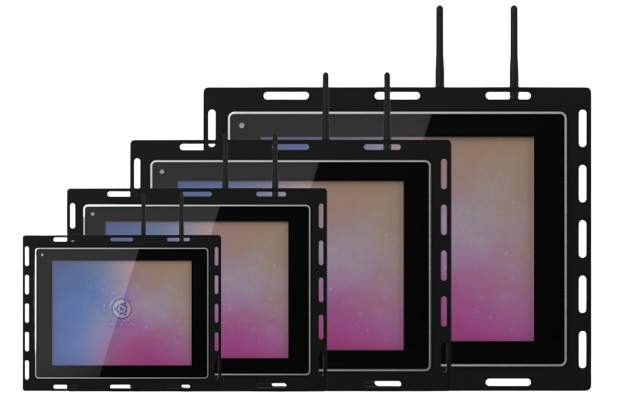
Technologies Driving Smart Factory Automation
IoT provides the connectivity layer for smart factory automation, but the value increases when data is combined with analytics, AI, and machine learning. According to Deloitte’s 2025 Smart Manufacturing Survey, 46% of manufacturers are already leveraging industrial IoT solutions, with a further 27% planning to invest in IIoT within the next 24 months. This shows that connected production is no longer an experimental concept; it is becoming a standard investment priority for modern manufacturers.
Digital twins are another critical technology. They create virtual models of physical assets, systems, or production lines, enabling engineers to simulate changes, test process improvements, and identify risk before altering live operations. As these models become more sophisticated, they can support faster commissioning, better product design, and lower-cost optimisation.
AI-driven cobots, computer vision systems, automated guided vehicles, and robotics also play a central role. They can support assembly, inspection, warehousing, internal logistics, and packaging. Machine learning improves these systems over time by refining defect detection, optimising maintenance schedules, reducing energy waste, and identifying the production flows most likely to deliver consistent output.
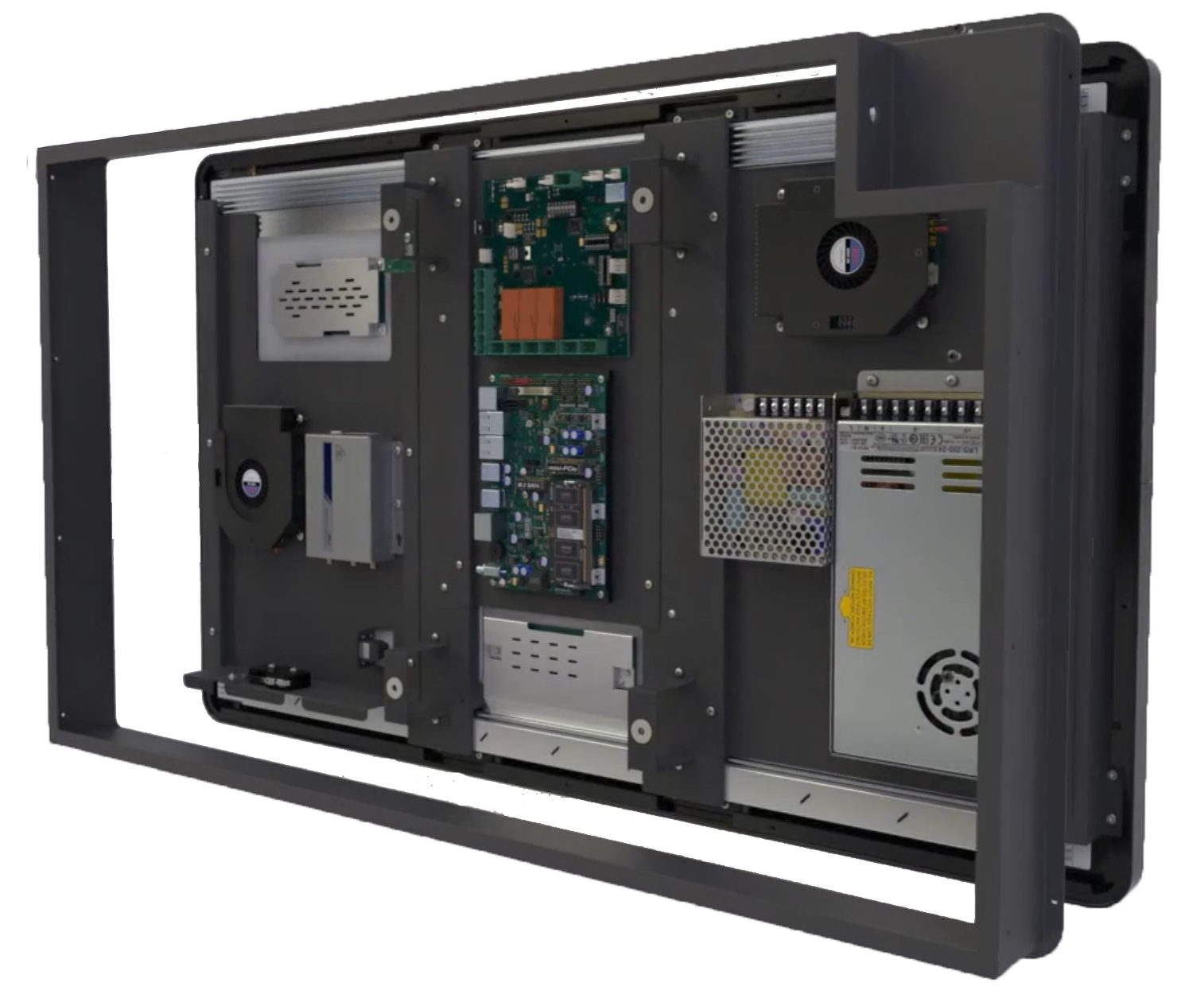
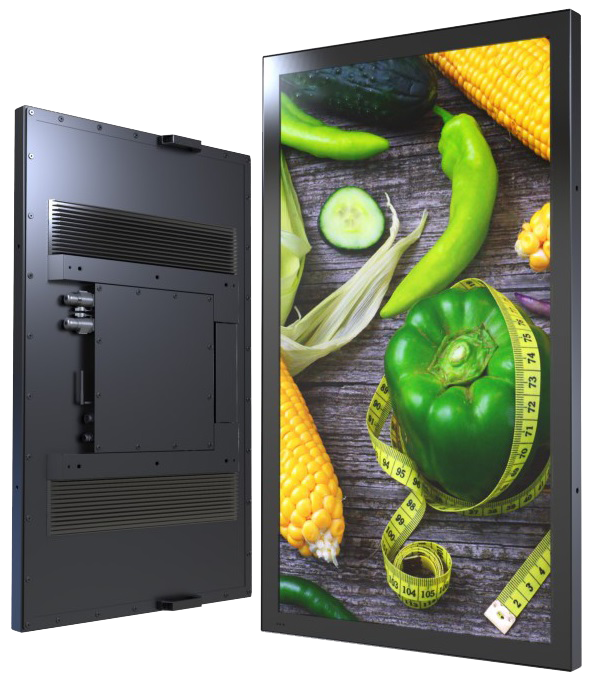
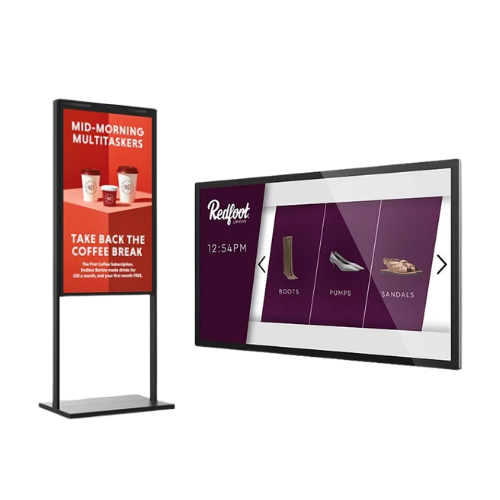
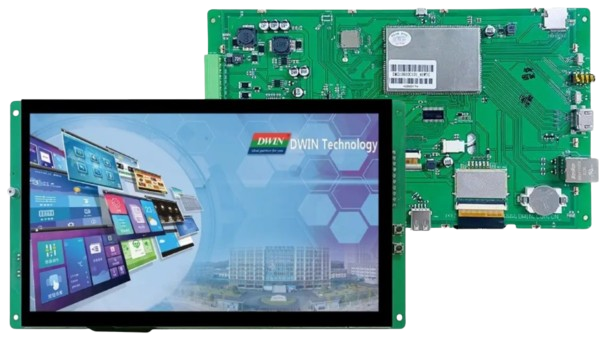
Custom IP Rated Monitor
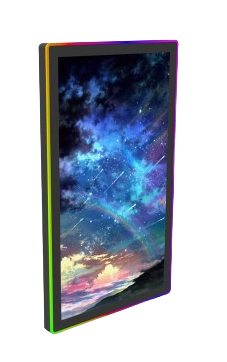
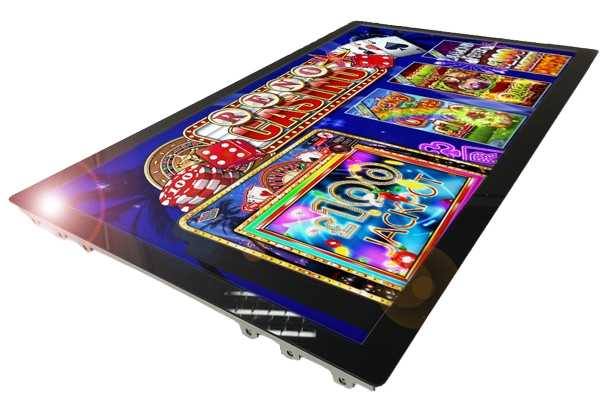
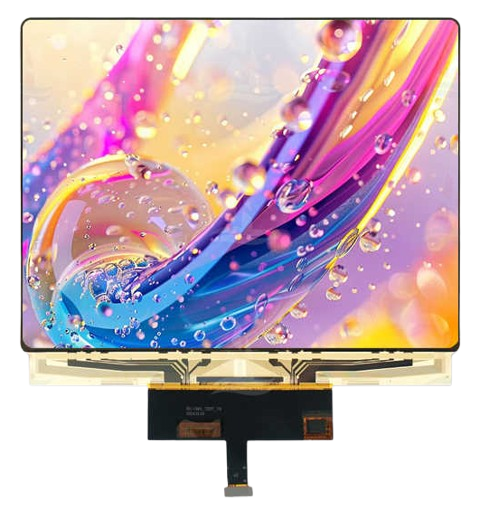
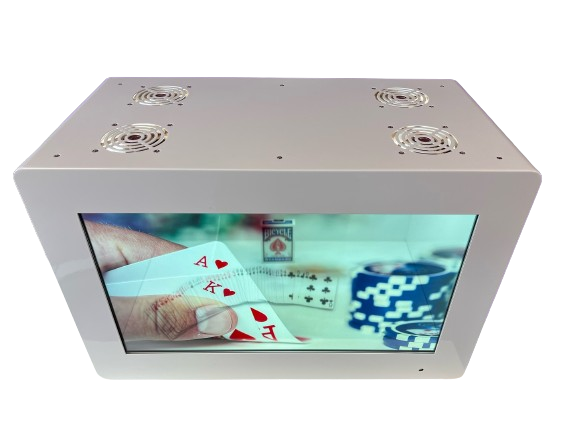
Crystal Display Systems Ltd provides custom IP-rated monitors engineered for reliable performance in harsh industrial environments. Designed to withstand dust, moisture, washdown, and challenging operating conditions, our monitors can be tailored to your application with a choice of display sizes, touchscreen technologies, mounting options, and enclosure specifications, making them ideal for smart factory, automation, and process control systems.
Benefits for Manufacturers and Supply Chains
The benefits of smart factories extend beyond faster production. They create clearer visibility and stronger control across the entire operating model. Predictive maintenance is one of the clearest examples. Instead of waiting for equipment failure or relying only on fixed maintenance schedules, real-time sensor data can identify abnormal vibration, rising temperatures, or unusual energy consumption. Teams can intervene earlier, reducing unplanned downtime and avoiding unnecessary maintenance costs.
Real-time monitoring also makes bottlenecks visible as they emerge. Production managers can see where work is slowing, where quality issues are increasing, and where assets are underused. This supports faster decisions and more precise workflow adjustments. The same visibility can extend to inventory control, supplier performance, demand shifts, and logistics, helping manufacturers respond more effectively when disruptions occur upstream or customer requirements change quickly.
Lean Manufacturing in a Smart Factory Context
Lean manufacturing remains highly relevant in smart factory environments. Its purpose is to maximise customer value while eliminating waste, improving flow, and aligning production more closely with demand. The five core lean principles are to identify value from the customer perspective, map the value stream, create smooth production flow, establish pull based on real demand, and pursue continuous improvement.
Smart factories strengthen lean principles by making waste easier to identify. Data can reveal idle time, excess movement, overproduction, rework, energy inefficiency, and inventory imbalance. Instead of relying only on manual observation, teams can use real-time evidence to improve quality, reduce waste, and maintain continuous improvement as an everyday operating discipline.
Need More Information?
CALL US +44 (0)1634 791600