T: +44 (0)1634 791600

E: info@crystal-display.com

Engineering Displays for the Real World: From Panel to Complete System

More Than a TFT Panel: Designing for the Environment

In the world of industrial and professional electronics, a display isn’t just a screen — it’s a mission-critical interface.

Too often, projects start with a simple question: “Which panel fits?”
The better question is: “What does the entire system need to survive and perform?”

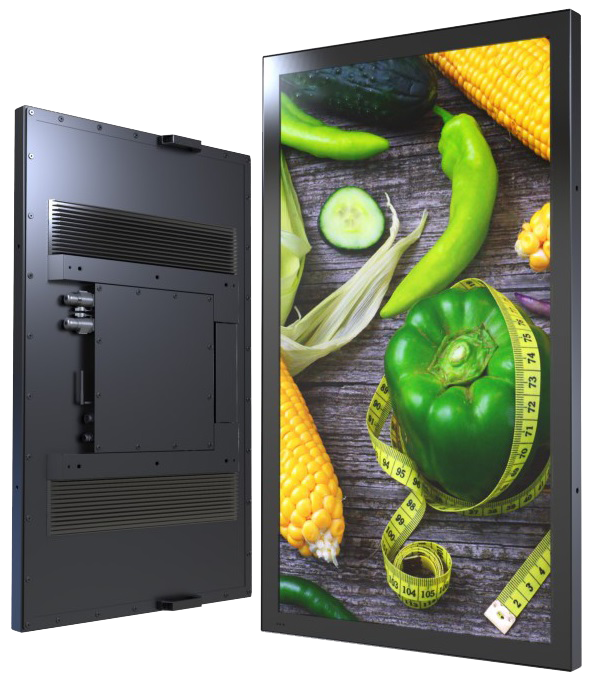
In real-world applications — industrial automation, marine, transport, defence, retail technology — the wrong display choice can mean reduced performance, premature failure, or catastrophic downtime. That’s why successful projects begin with a system-engineering mindset, not a panel reseller mentality.
Choosing the Right Core Technology

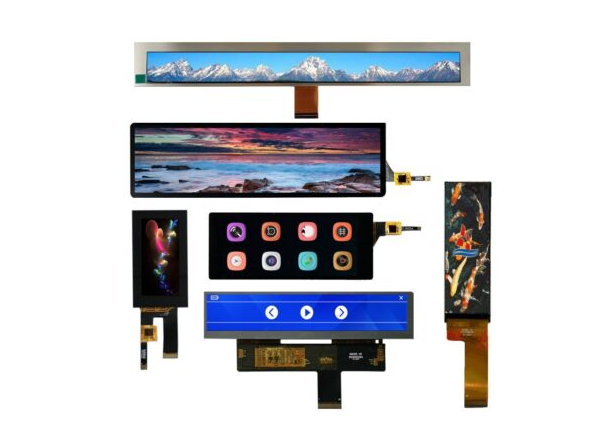
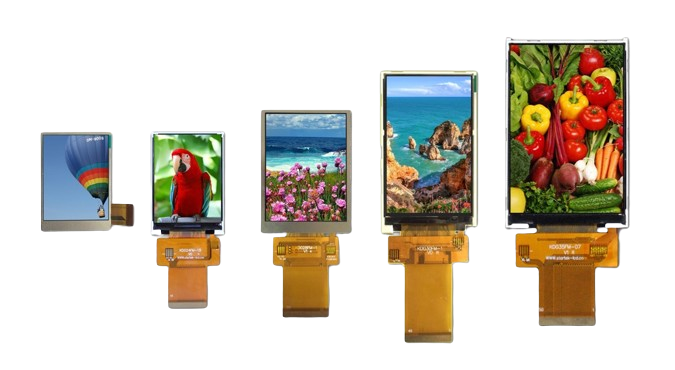
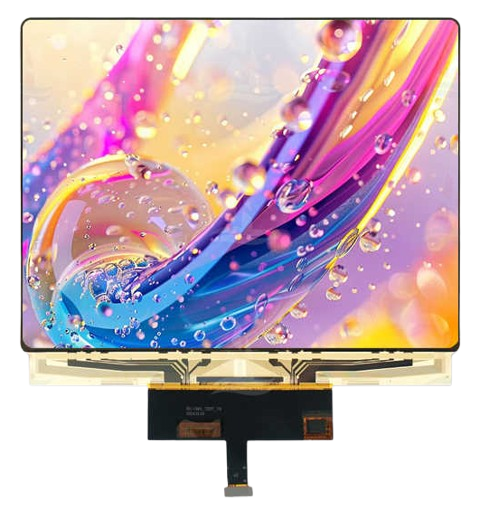
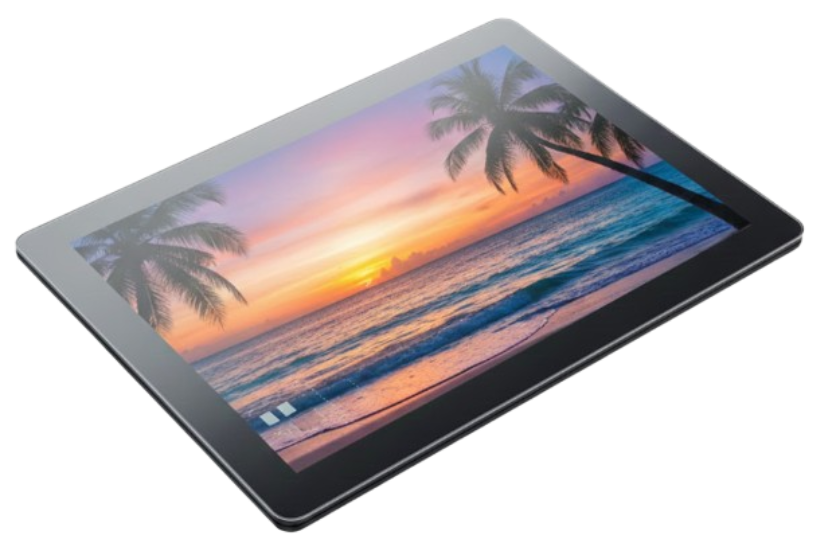
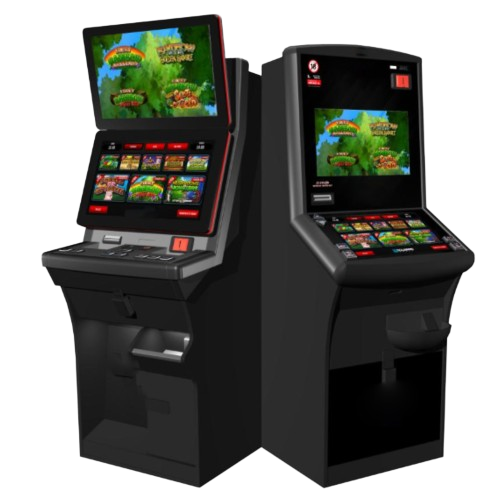
Most professional projects are built around TFT-LCD technology, ranging from sub-1” modules to large-format >80” displays. But panel type matters:

  • IPS & advanced VA for wide viewing angles and colour stability

  • TN for cost-sensitive or specific response-time applications

  • Wide temperature variants for harsh environments

  • LED backlights engineered for 30,000–70,000 hour lifetimes

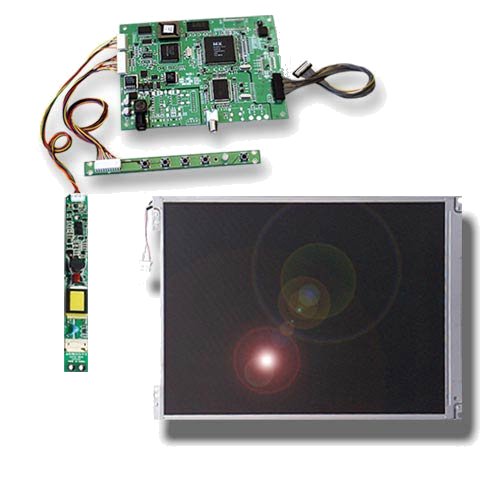
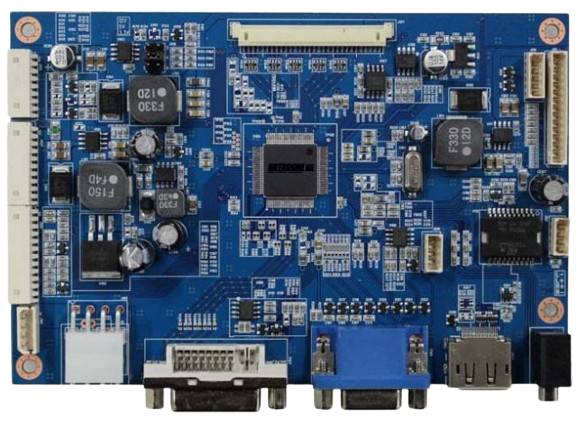
Interface compatibility is equally critical. Whether you’re working with LVDS, eDP, MIPI DSI, HDMI, or DisplayPort, bridging between panel and host system often requires custom interface design to ensure signal integrity and long-term reliability.
It’s not just about making it “light up.” It’s about making it perform consistently for years.

Sunlight Readable ≠ Just High Brightness

Outdoor and high-ambient applications require more than a brighter backlight.

True sunlight-readable solutions (1,000–3,000 cd/m²) demand optimisation of the entire optical stack:

  • Optical bonding to remove internal reflections

  • Anti-reflective (AR) and anti-glare (AG) coatings

  • Thermal analysis of sealed enclosures

  • High-TNI liquid crystal formulations to prevent blackening

Engineering teams must consider heat dissipation, enclosure design, and long-term stress on components — especially in sealed IP-rated systems.

Brightness alone doesn’t guarantee visibility. Optical engineering does.
Touchscreen & Cover Glass: Built for the Real World

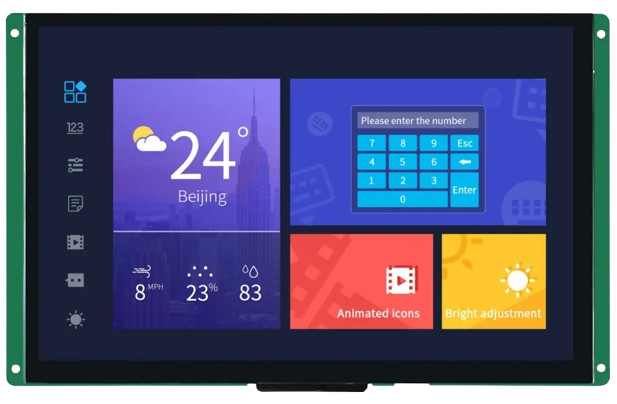
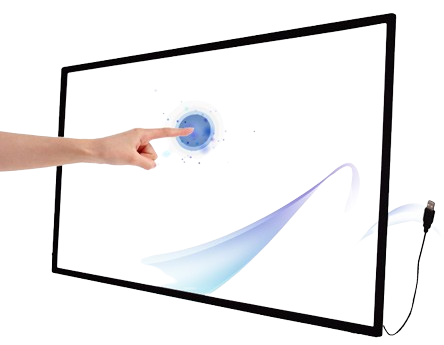
Modern HMIs rely heavily on PCAP touch technology, but industrial integration is complex.

Successful deployments consider:

  • Stack-up design (sensor, OCA, display, cover glass)

  • Glove and wet-touch performance tuning

  • Resistance to electrical noise

  • Toughened cover glass (1.1 mm–6 mm+)

  • IP and IK impact compliance

Mechanical stress, gasket compression, and enclosure design all influence display performance. Without careful engineering, you risk MURA effects, sensitivity drift, or mechanical failure.

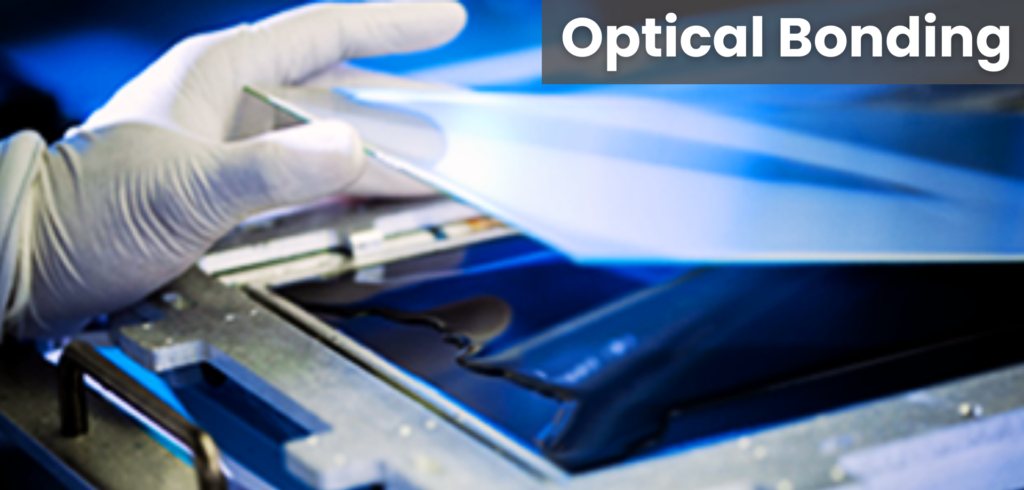
Optical Bonding: A Critical Upgrade

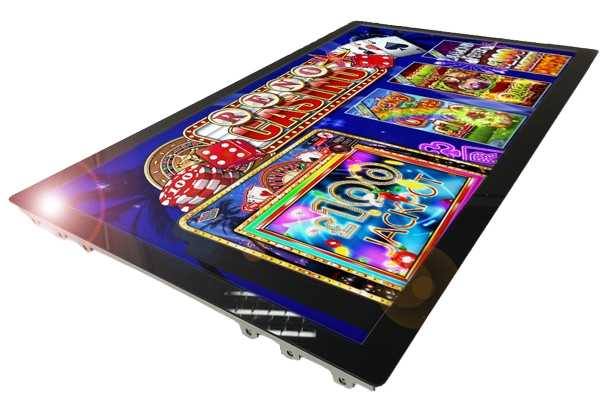
Optical bonding transforms a display assembly from layered components into a single robust composite.

Benefits include:

  • Increased contrast

  • Reduced internal reflections

  • Improved shock and vibration resistance

  • Enhanced thermal conduction

In transport, marine, and rugged industrial systems, bonding is often the difference between acceptable and exceptional performance.

Specialist & Rugged Platforms

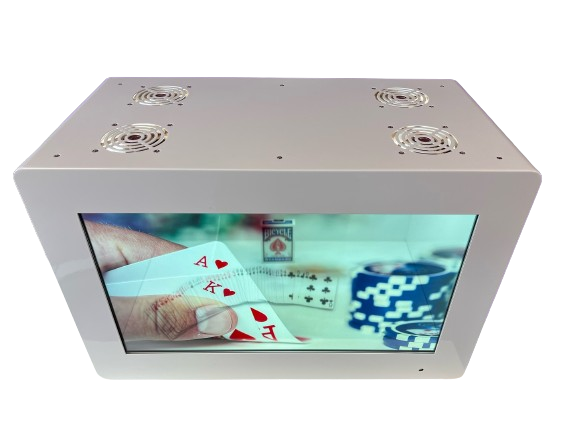
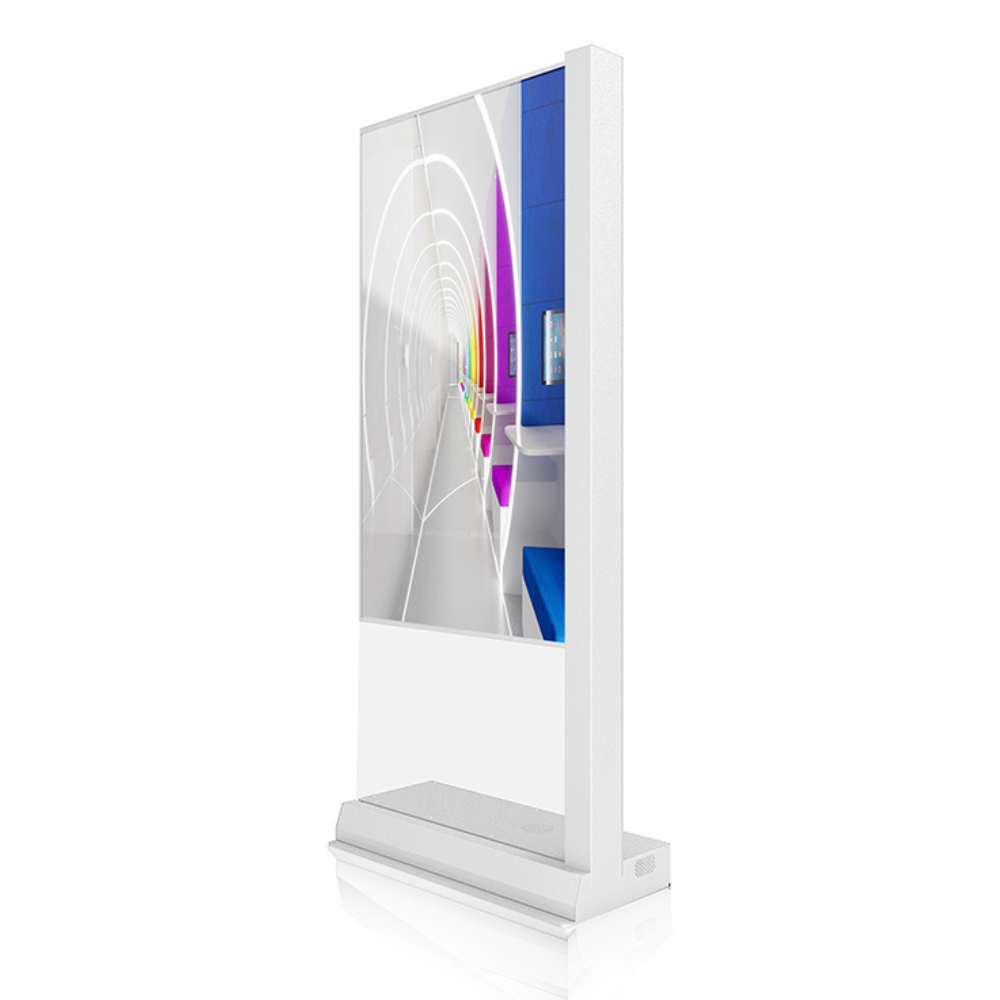
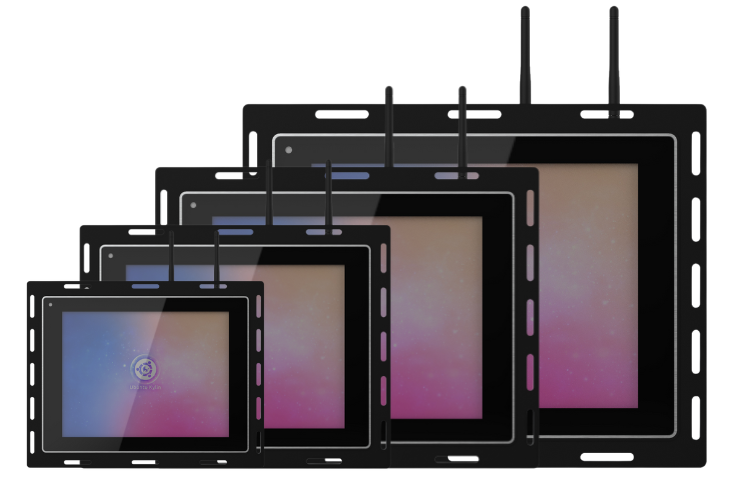
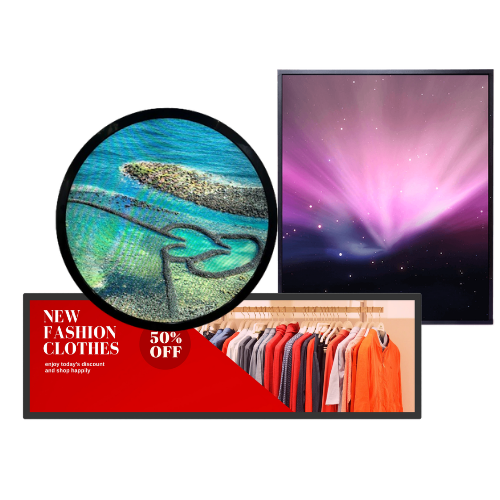
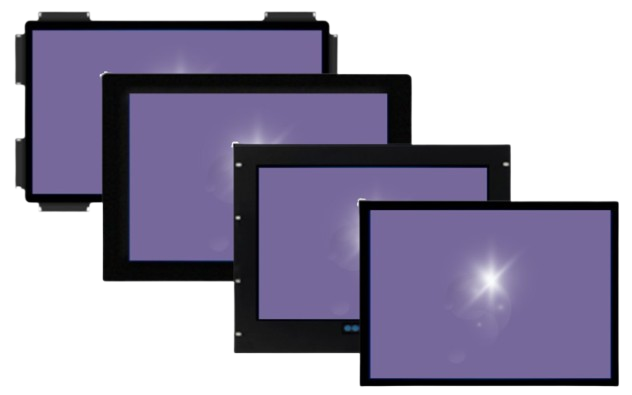
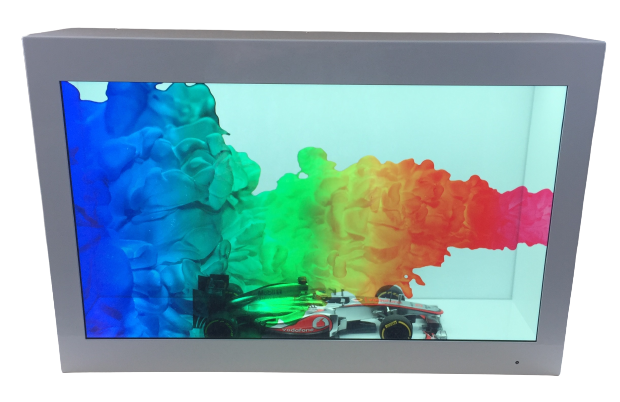
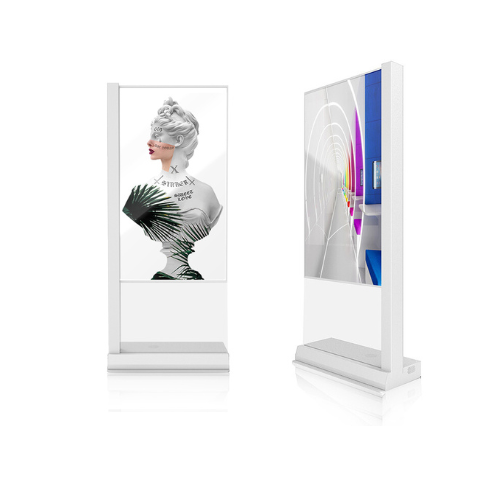
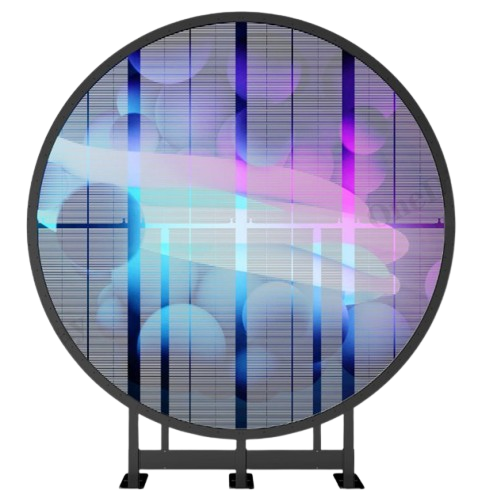
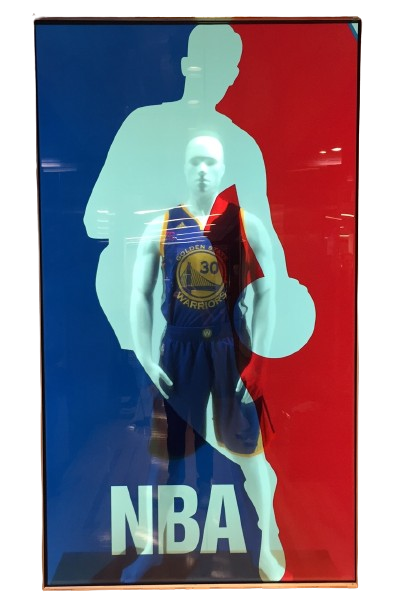
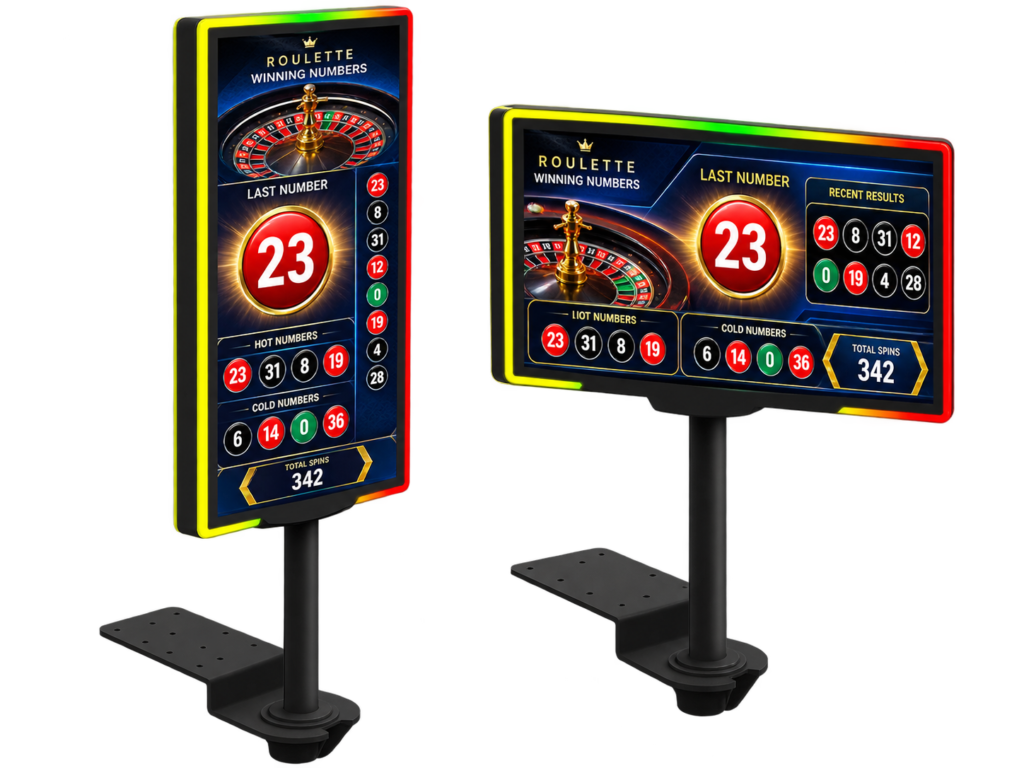
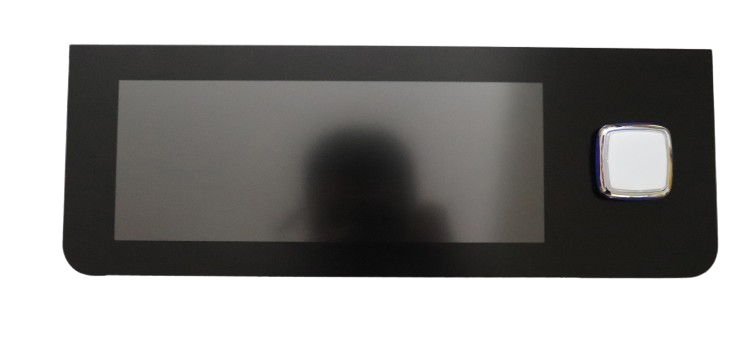
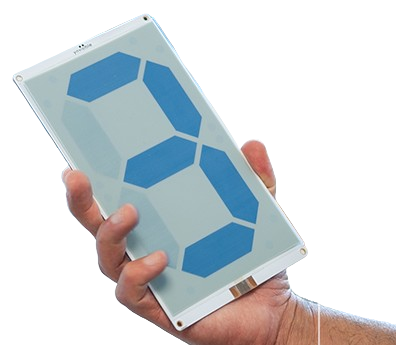
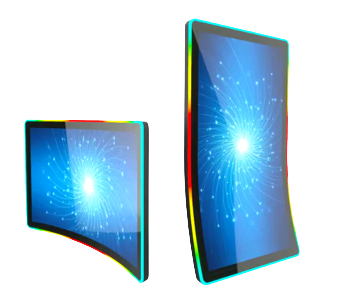
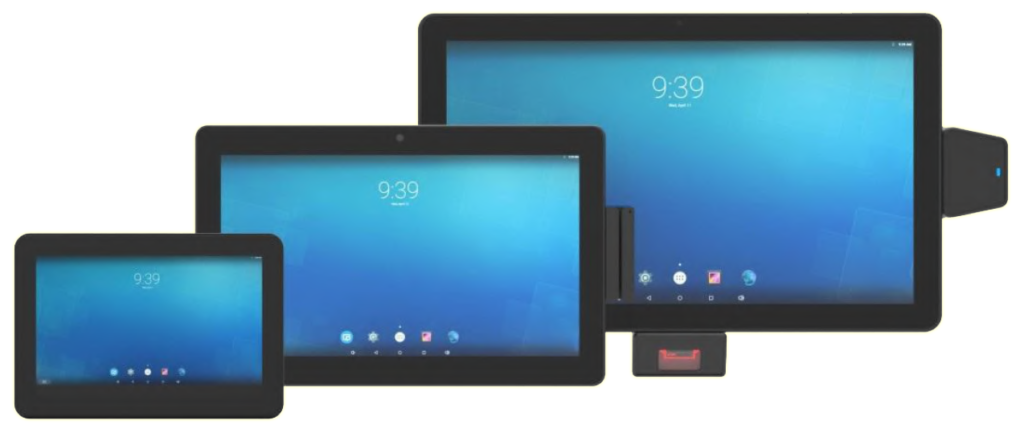
Today’s projects often demand non-standard form factors:

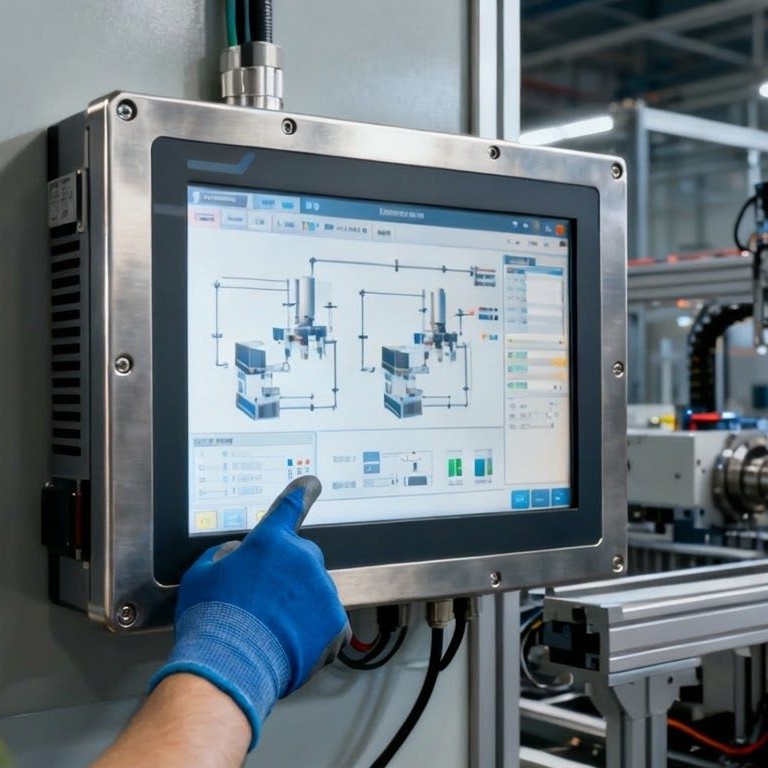
For harsh environments, fully enclosed systems can offer:

Design must align with EN and IEC standards where required — particularly in transport and marine applications.

From Display to Intelligent Platform

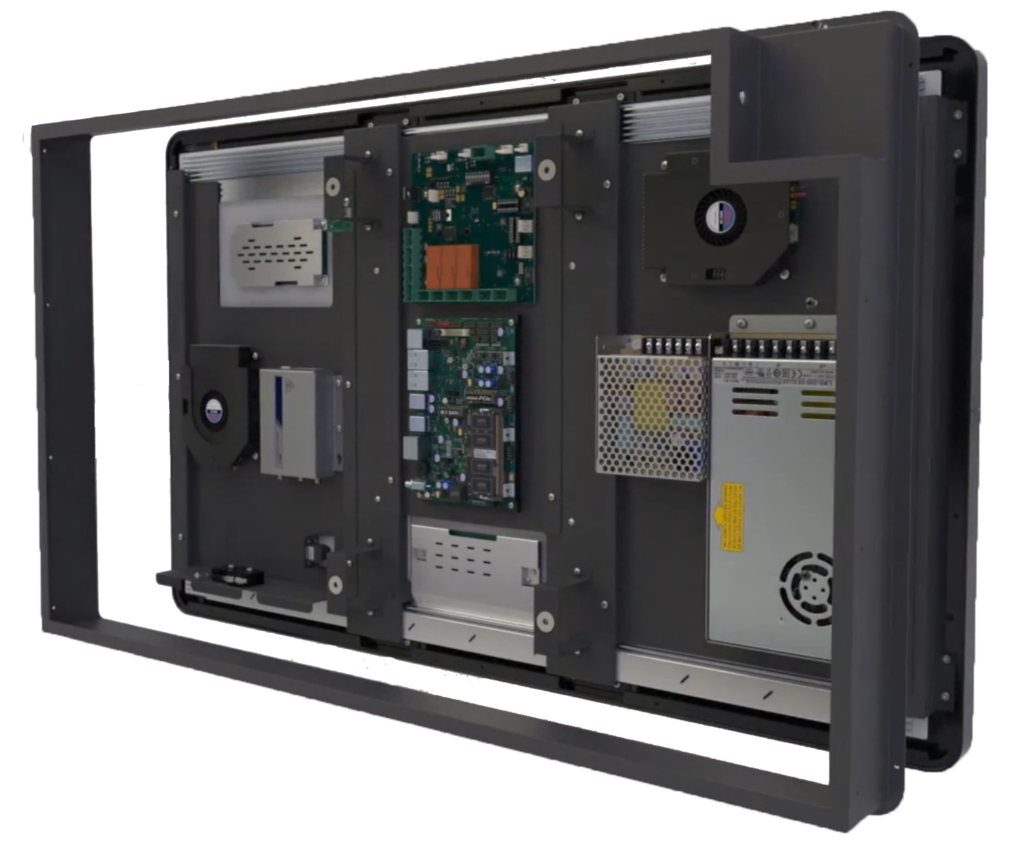
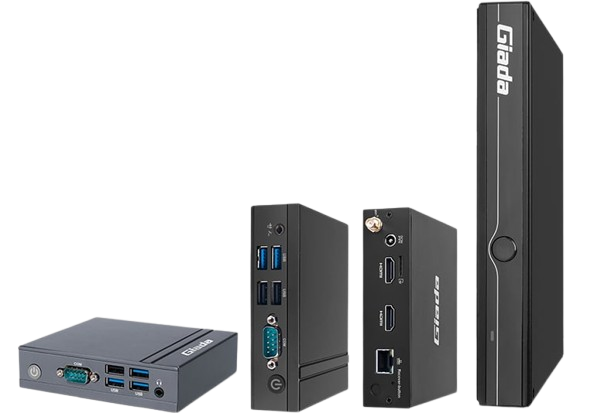
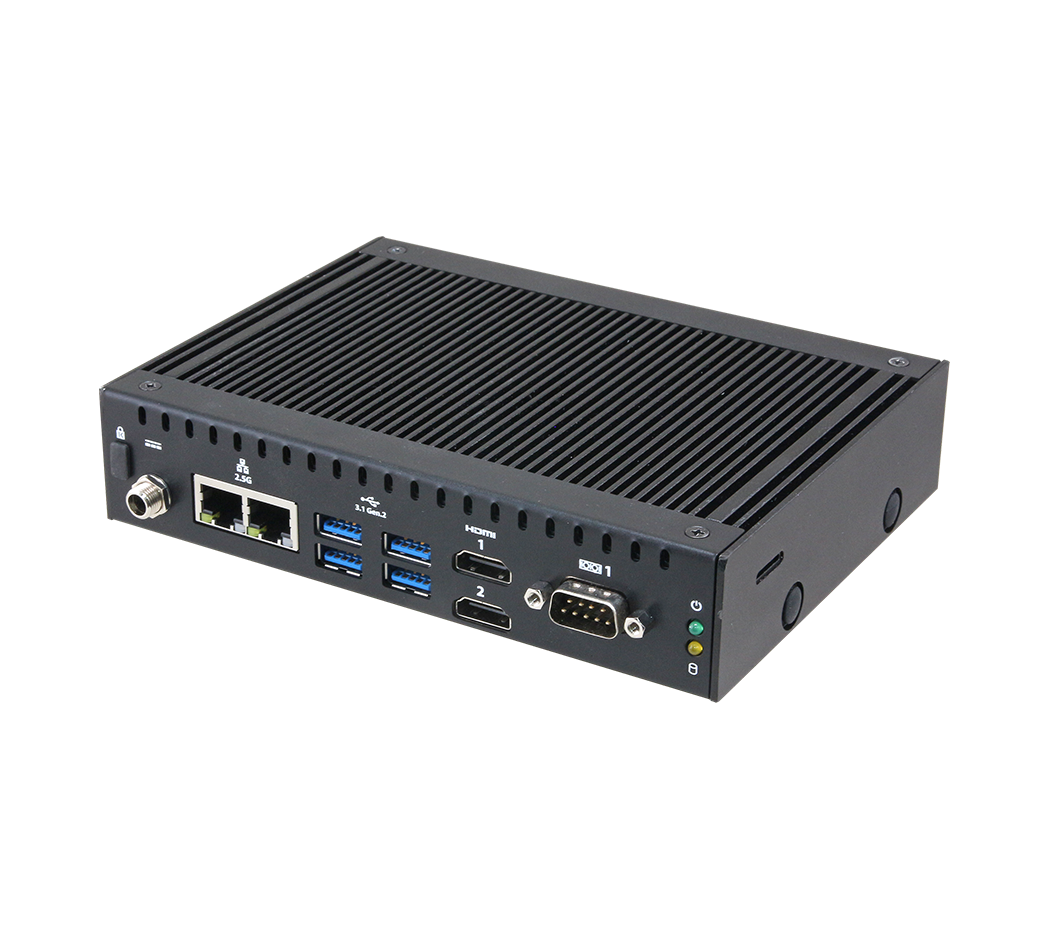
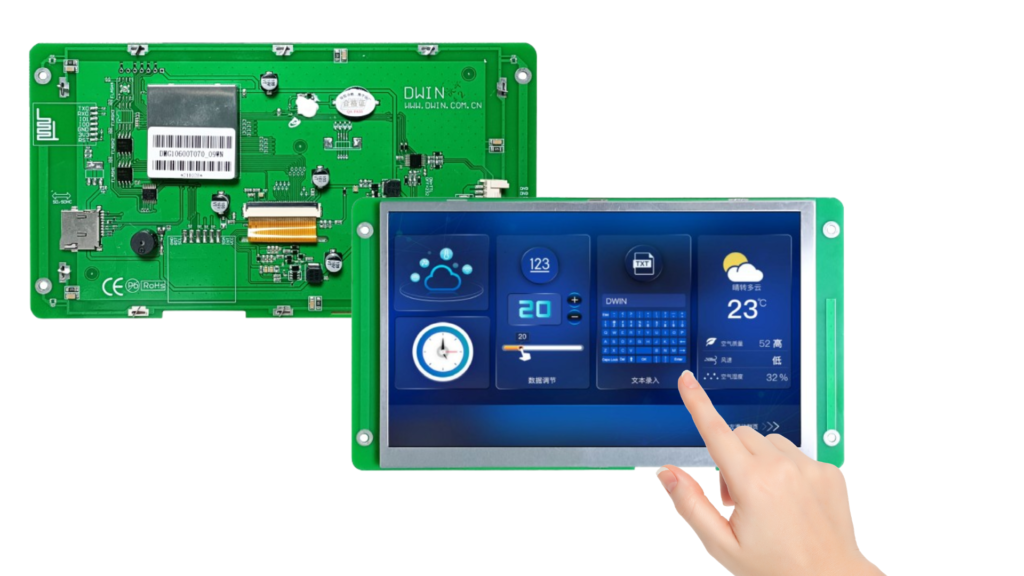
Modern systems increasingly combine display and compute into one integrated solution.

Embedded offerings may include:

  • x86 or ARM-based Panel PCs

  • Windows IoT or Linux platforms

  • Custom carrier boards

  • Secure boot, watchdog integration, BIOS customisation

  • Multi-display support and isolated I/O

The real question is no longer just about the screen —
Can your display add intelligent backend capability to create a complete, value-added solution?

Engineering Partnership Matters

A strong display partner operates as an extension of your engineering team.

That means:

  • Requirements capture from day one

  • 3D CAD and mechanical design support

  • Thermal and EMC optimisation

  • Custom interface electronics

  • Firmware and EDID programming

  • Structured testing and validation

  • Lifecycle and obsolescence management

Industrial programmes demand long-term availability and controlled revision management. Without proactive lifecycle planning, even a perfect design can fail years later due to component obsolescence.

Designing for Reliability, Not Just Release

Real-world display design sits at the intersection of:

  • Optics

  • Electronics

  • Mechanics

  • Embedded software

When engineered correctly, a display becomes a reliable, production-ready subsystem — not a risk factor.

The difference between a panel and a platform is engineering ownership.

And in demanding applications, that difference matters.

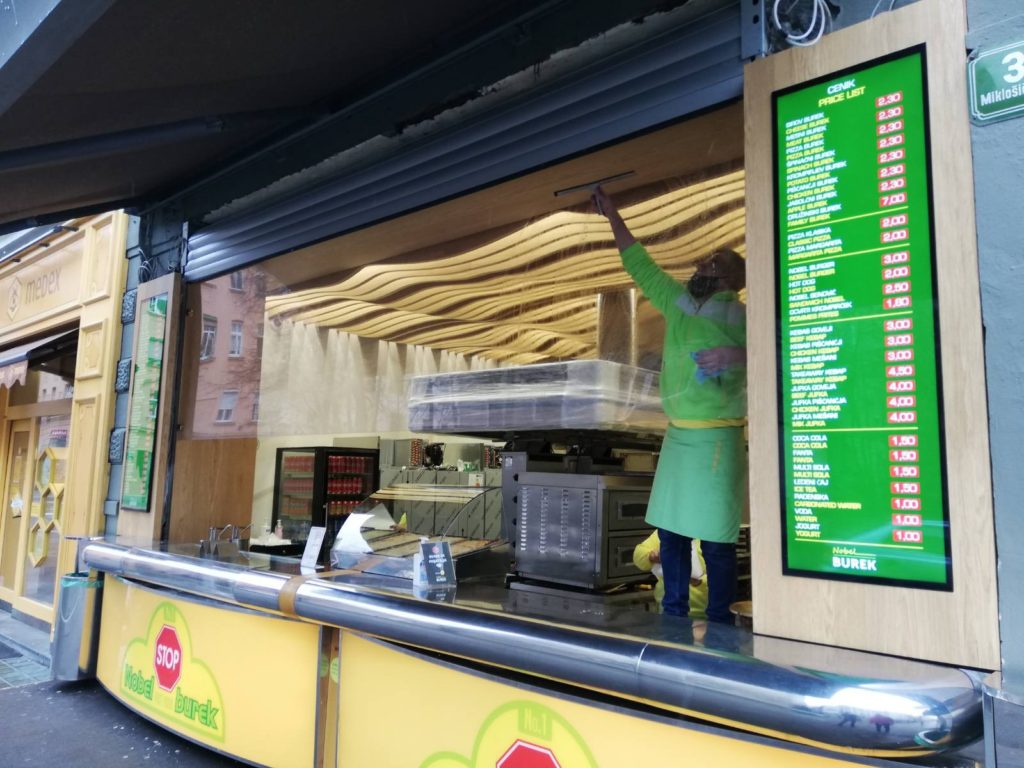
Check Out Some Of Our Displays in Action

Need More Information?

CALL US +44 (0)1634 791600

Scroll to Top